Arrange Your Home Around the Heat Source – Make the Most of Your Energy

Arrange Your Home Around the Heat Source – Make the Most of Your Energy
The way you arrange your home has a big impact on how efficiently your heating system uses energy. Whether you rely on a furnace, heat pump, wood stove, or electric baseboard heaters, small adjustments in furniture placement, window coverings, and daily habits can make a noticeable difference in both comfort and energy bills. Here’s a guide to help you get the most out of the heat in your home.
Know Your Heat Source
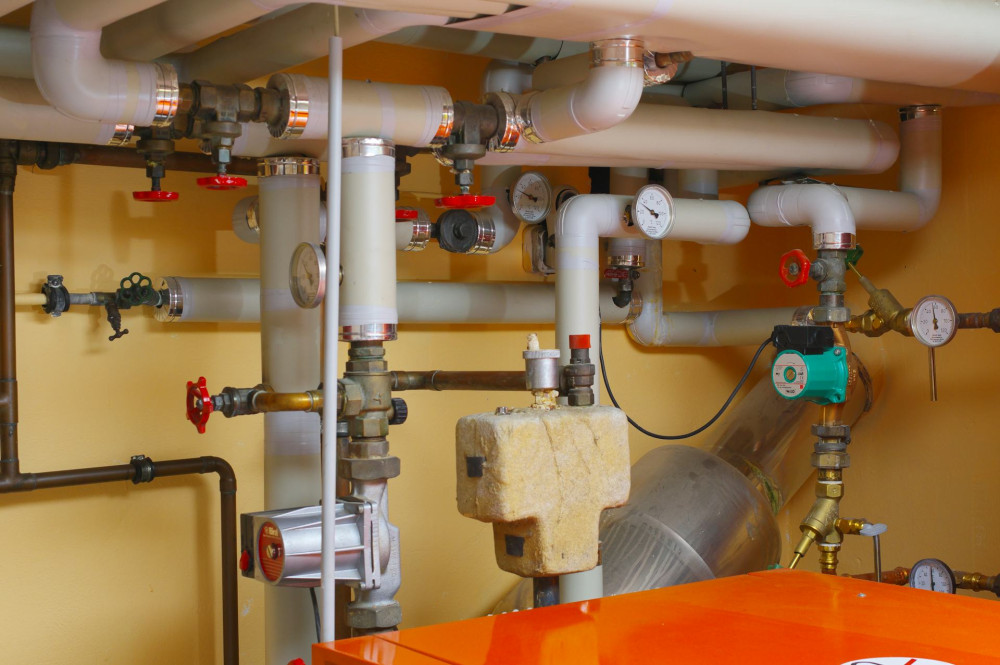
The first step is understanding how your heating system works. Different systems distribute heat in different ways—and that affects how you should arrange your space.
- Forced-air furnace: Delivers warm air through vents. It’s important to keep vents and returns clear so air can circulate freely.
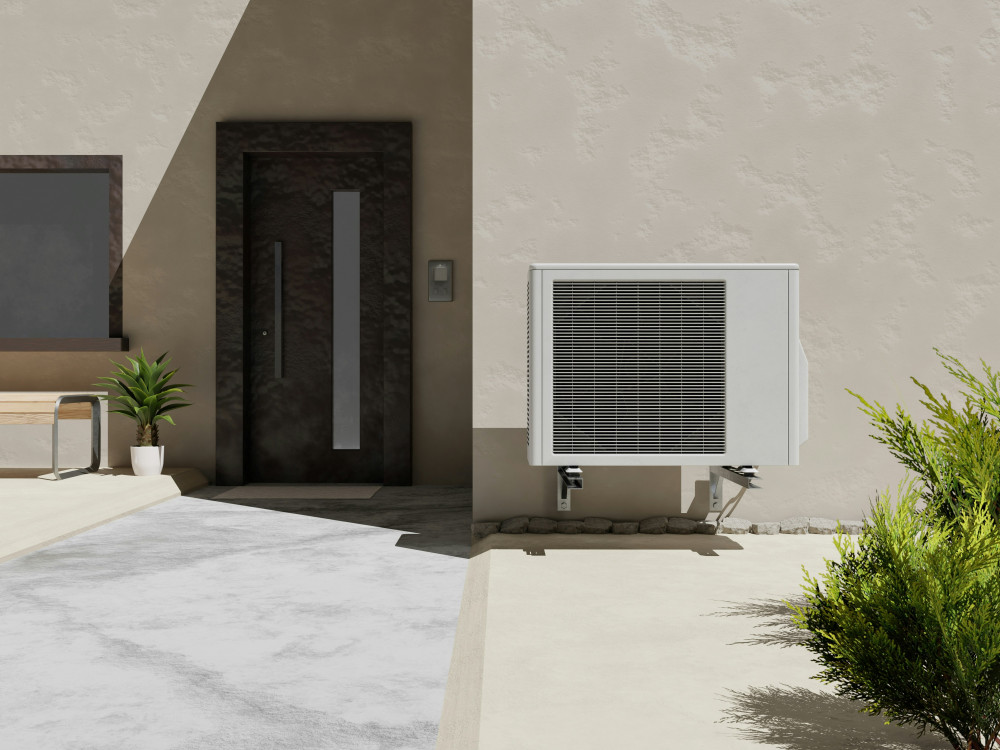
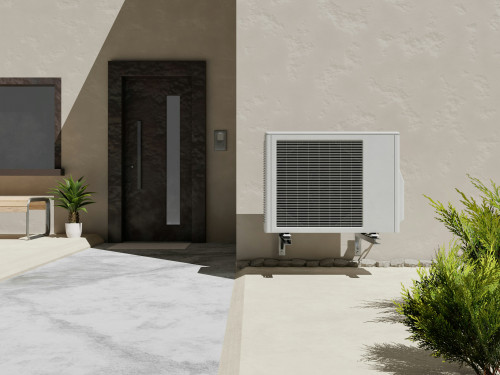
- Heat pump: Moves warm air through ducts or indoor air handlers. Airflow is key, so avoid blocking the unit or vents with furniture or curtains.
- Radiant floor heating: Provides even warmth from the ground up. Avoid covering large areas of the floor with thick rugs or heavy furniture.
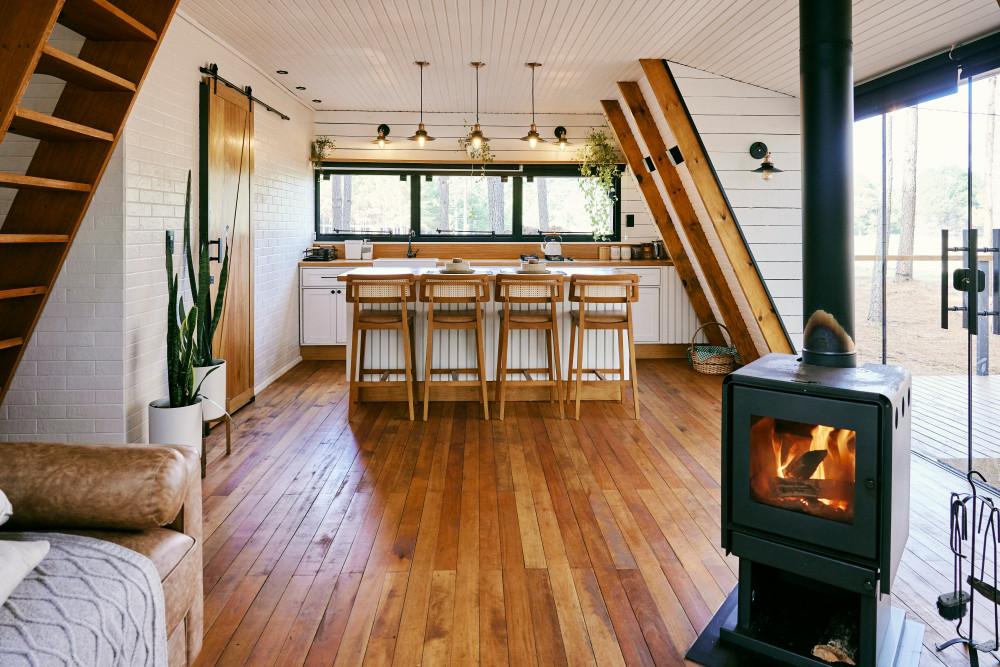
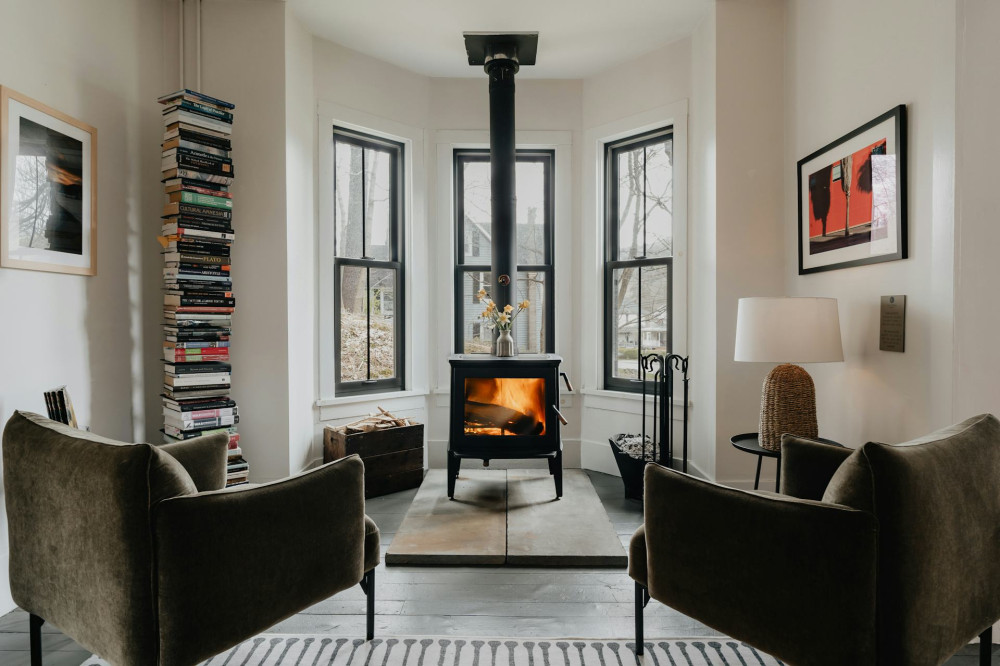
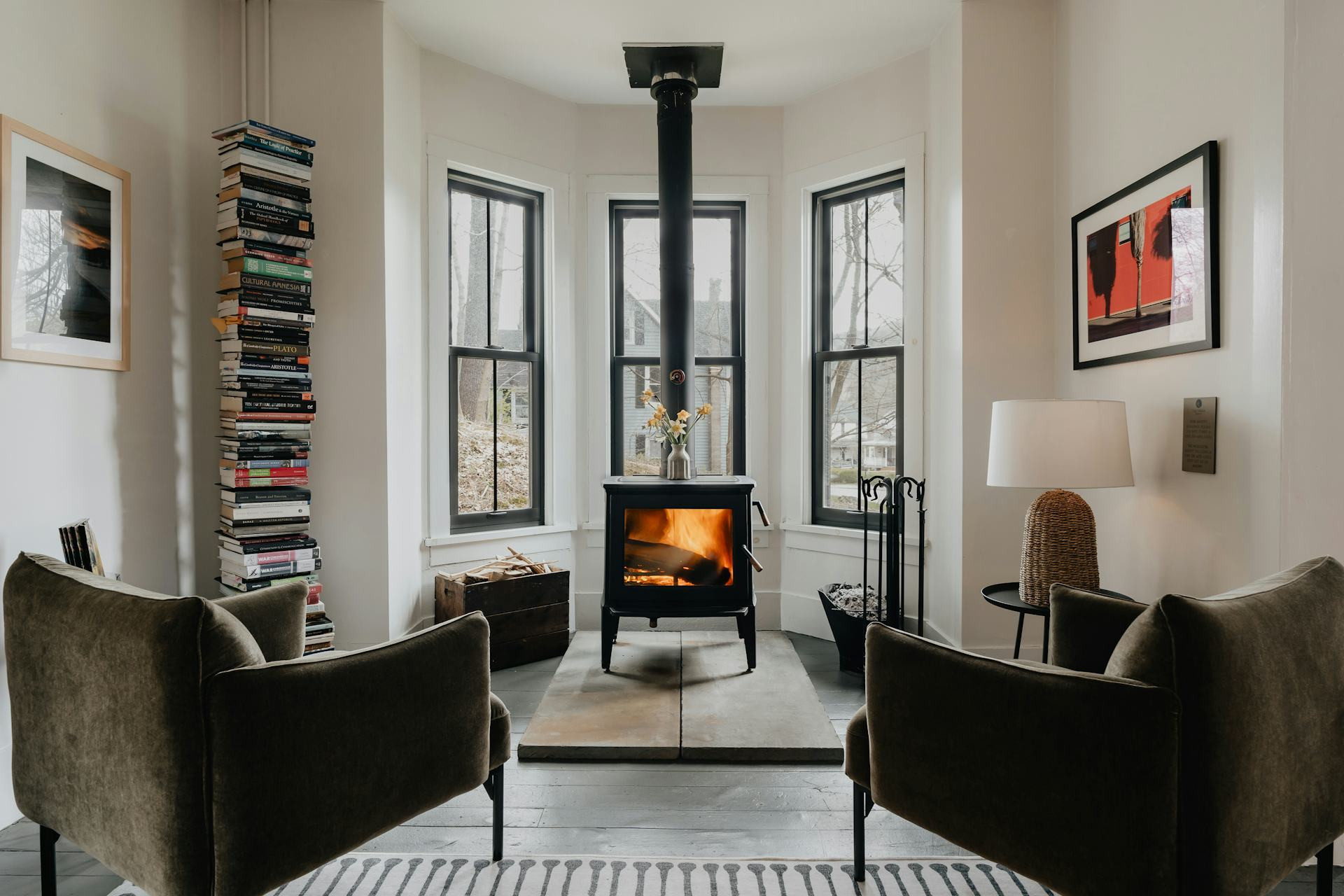
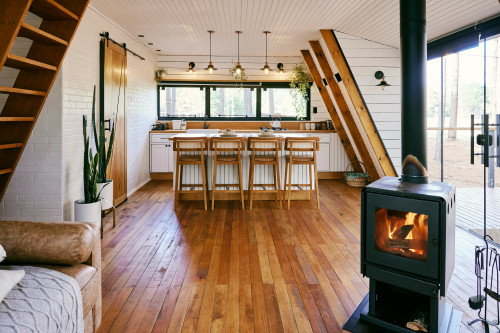
- Wood or pellet stove: Produces radiant heat that feels strongest nearby. Arrange seating where you can enjoy the warmth without blocking airflow.
Once you understand how your system distributes heat, you can make smarter choices about how to arrange your rooms for maximum efficiency.
Give Heat Room to Circulate
One of the most common mistakes in American homes is placing furniture too close to vents, radiators, or air returns. A couch, bookcase, or long curtain in front of a vent can block airflow and make your system work harder.
- Keep at least 4–6 inches of space in front of vents and baseboard heaters.
- Don’t dry clothes or store items on or near heating units.
- For radiant floors, choose furniture with legs so heat can move freely underneath.
These small adjustments help maintain an even temperature and reduce energy use.
Use the Sun’s Free Heat
The sun is a free and powerful heat source. Open blinds and curtains during the day to let sunlight warm your rooms—especially on south- and west-facing windows. In the evening, close them again to keep the heat inside.
Heavy or thermal curtains can act as extra insulation, especially in older homes with less efficient windows. This simple habit can make a noticeable difference in comfort and heating costs.
Arrange Rooms by Function
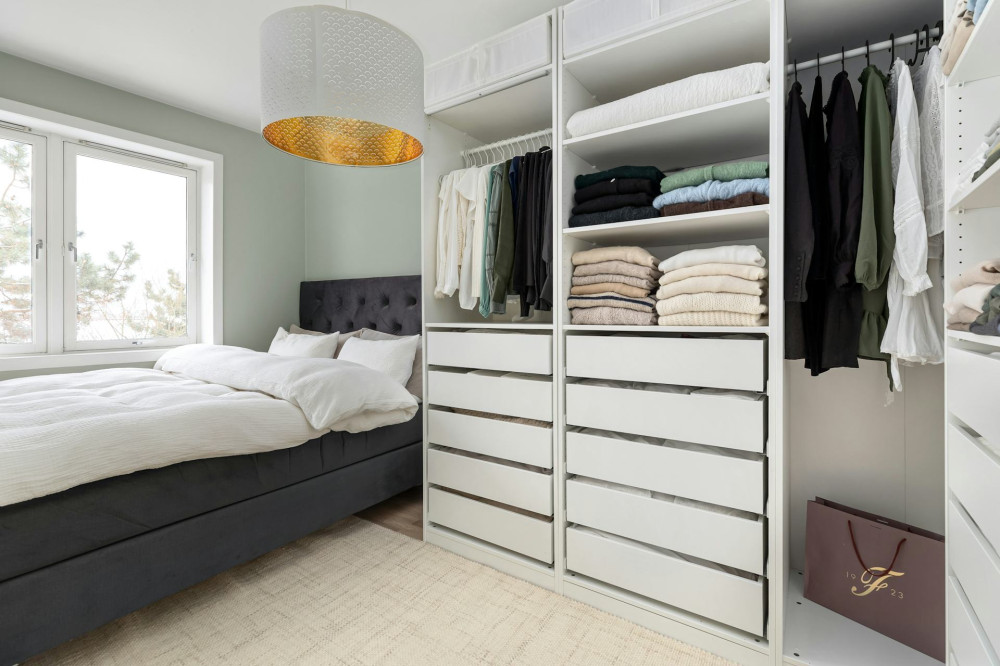
Think about how you use each room and adjust the temperature accordingly. Living areas like the family room or kitchen can stay around 68–70°F, while bedrooms can be cooler. If you have programmable thermostats or zoned heating, set temperatures based on when and how you use each space.
Place seating and work areas where you can feel the warmth—near a vent, in a sunny spot, or in a zone with good air circulation. You’ll feel comfortable even at a slightly lower thermostat setting.
Balance Heat and Fresh Air
A healthy indoor climate needs both warmth and fresh air. Many people think airing out a room wastes heat, but short, effective ventilation actually helps. Open windows for 5–10 minutes to let fresh air in and moisture out—your home will feel fresher, and your heating system will work more efficiently afterward.
If you use a heat pump or forced-air system, make sure air intakes and outlets aren’t blocked by furniture or drapes. Clear airflow keeps the system running efficiently.
Læs også:
Small Habits, Big Impact
Even small daily habits can make a difference:
- Close doors between warm and cool areas.
- Use area rugs on cold floors for added comfort.
- Check thermostats regularly—lowering the temperature by just one degree can save up to 5% on heating costs.
- Schedule regular maintenance for your heating system to keep it running efficiently.
Energy efficiency isn’t just about technology—it’s about awareness. When you learn to use heat wisely, you’ll enjoy a cozier home and lower energy bills.
A Home in Balance
Arranging your home around your heat source is about finding balance between comfort, design, and energy use. When heat can move freely and you take advantage of sunlight and insulation, your home feels warmer—without turning up the thermostat.
Small adjustments in layout and habits can be just as effective as major upgrades. It’s practical, sustainable, and it pays off—for your wallet and for the planet.
Læs også: