Let the Heat Circulate: Avoid Blocking It with Furniture and Decorations

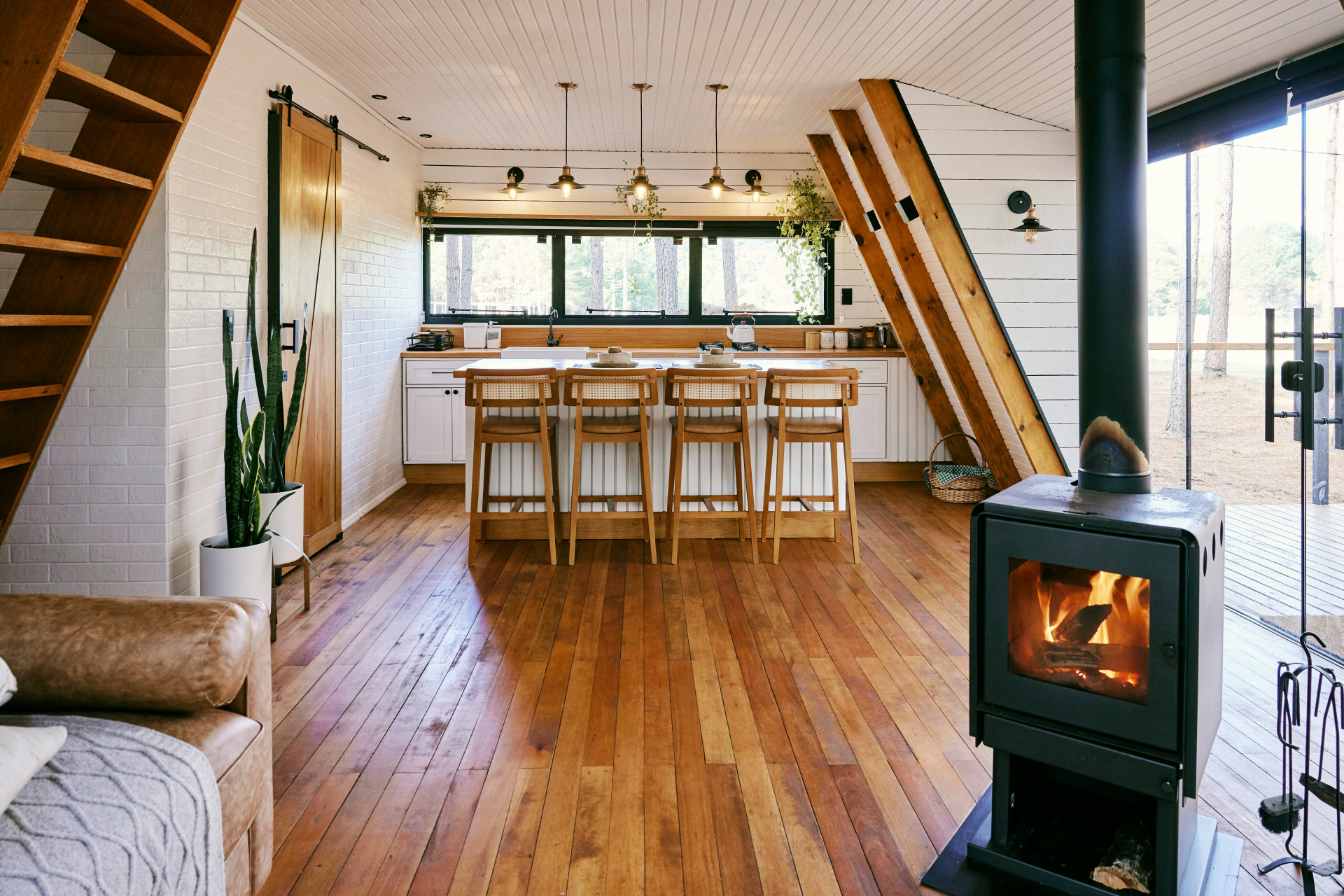
Let the Heat Circulate: Avoid Blocking It with Furniture and Decorations
When winter sets in and the heating system is working hard, it’s tempting to arrange your living room for maximum coziness. But warmth isn’t just about how much energy you use—it’s also about how that heat moves through your home. If your couch is pressed up against a vent or your curtains hang over a baseboard heater, you could be wasting a good portion of the energy you’re paying for. Here’s how to let the heat circulate freely and keep your home comfortable all season long.
Air and Heat Need Room to Move
Furnaces, baseboard heaters, and radiators all work best when air can flow around them. Warm air rises while cooler air sinks, creating a natural circulation that spreads heat evenly throughout the room. When large pieces of furniture block that flow, you end up with cold spots and uneven temperatures.
A simple rule of thumb: keep at least a few inches of space between heating vents or radiators and any furniture. That small gap allows air to move freely and helps the heat reach every corner of the room. The same goes for floor vents—avoid covering them with rugs, furniture, or decorative items.
Curtains and Windowsills: Small Details, Big Impact
Long curtains that hang over a baseboard heater or vent may look elegant, but they can trap warm air behind the fabric instead of letting it circulate. The result? A room that takes longer to heat and higher energy bills. Consider shorter curtains or blinds that stop above the heater or vent to let the warmth flow into the room.
Windowsills can also make a difference. If you have lots of plants, candles, or decorations sitting above a radiator or vent, they can block airflow. Try keeping that area clear so the warm air can move freely upward—it’s a small change that can make your home feel warmer faster.
Læs også:
Think About Furniture Placement
It’s not just the heating units that need breathing room. If you have radiant floor heating, heavy furniture with solid bases—like large cabinets or low sofas—can trap heat underneath. Choose pieces with legs so air can circulate beneath them and the warmth can rise evenly.
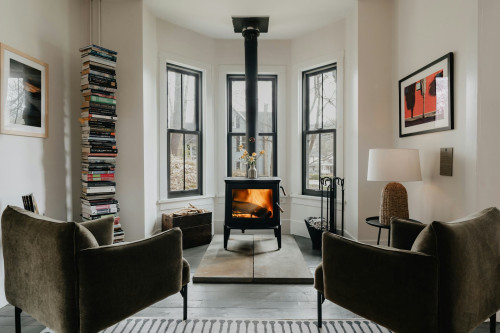
In rooms with multiple heat sources, such as a fireplace and a forced-air vent, arrange furniture so the heat can move between them. This helps maintain a consistent temperature and reduces the need to turn up the thermostat.
Use Heat Efficiently—and Save Energy
When heat can circulate freely, your system doesn’t have to work as hard to keep you comfortable. That means you can often lower the thermostat a degree or two without noticing a difference. Even a small adjustment can reduce your heating costs by several percent over the season.
You can also consider small helpers like vent deflectors or fans that attach to baseboard heaters. These inexpensive tools help distribute warm air more evenly, especially in larger rooms.
Balance Comfort and Style
Letting heat circulate doesn’t mean sacrificing your home’s style. Often, it’s just a matter of small adjustments—moving the sofa a few inches, raising the curtain rod slightly, or clearing off a crowded windowsill. These simple tweaks can make your home feel cozier while using energy more efficiently.
A home where heat flows freely isn’t just more comfortable—it’s also smarter and more energy-conscious. By giving your heating system a little room to breathe, you’ll stay warm, save money, and make the most of every bit of heat you generate.
Læs også: