District Heating in Multi-Family Buildings – An Economic Advantage

District Heating in Multi-Family Buildings – An Economic Advantage
District heating is gaining renewed attention in the United States as cities and property owners look for efficient, sustainable, and cost-effective ways to heat buildings. While the concept has long been established in parts of Europe, it is now emerging as a practical solution for American multi-family housing. By distributing heat from a central source to multiple buildings or apartments, district heating offers both economic and environmental benefits that make it an attractive alternative to individual heating systems.
Shared Heat, Shared Savings
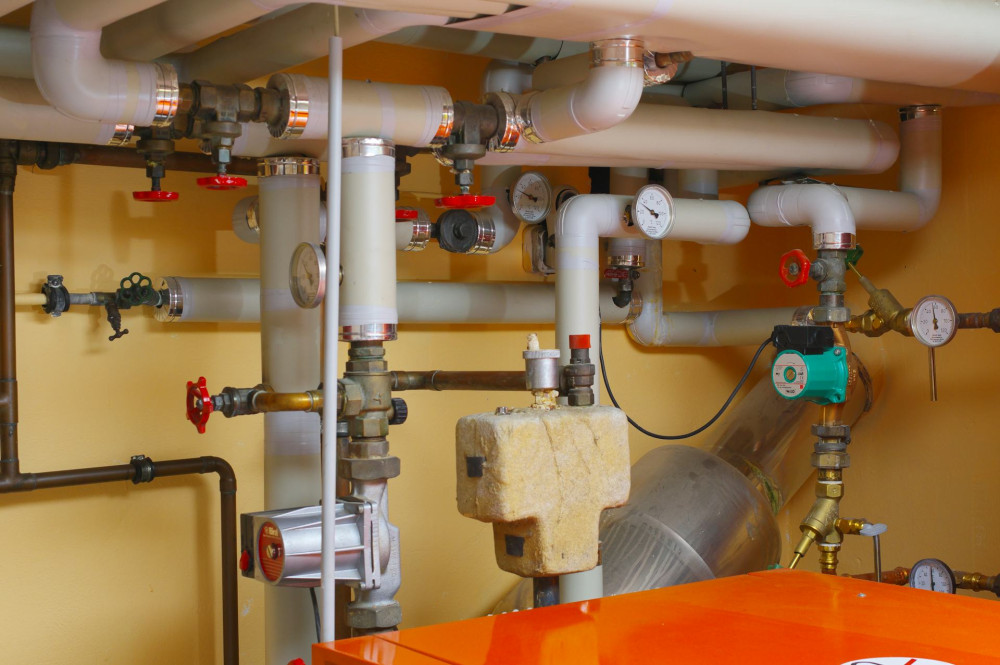
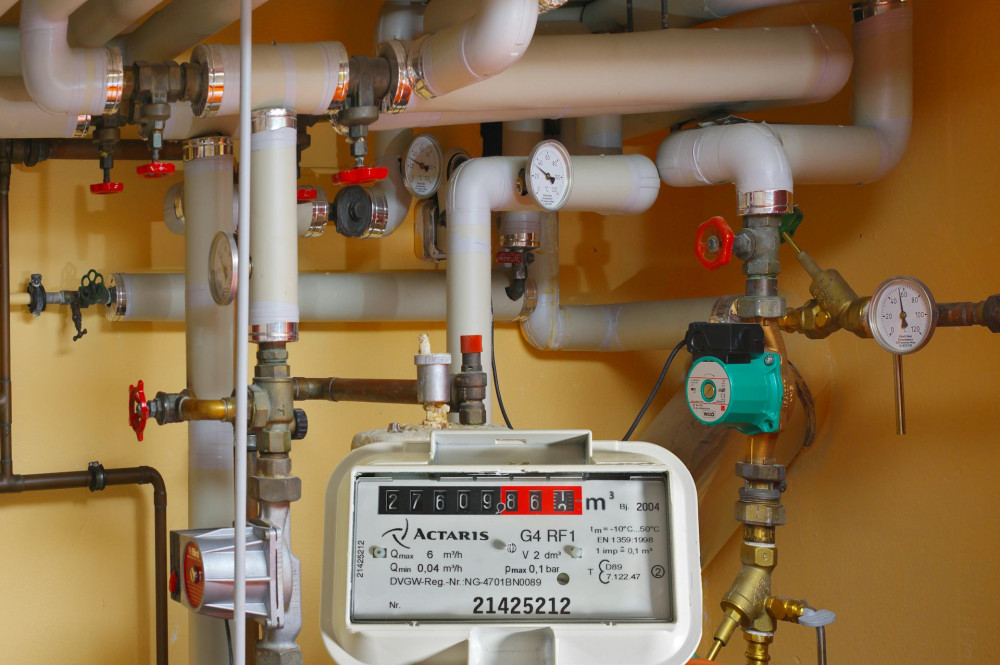
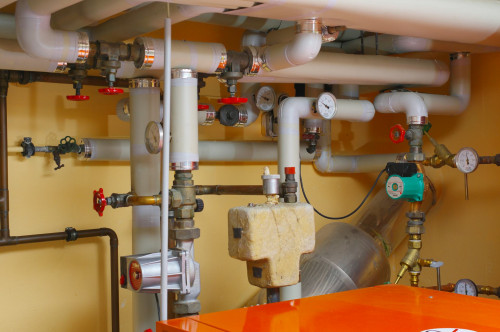
In multi-family buildings, centralizing the heating supply can lead to significant cost reductions. District heating works by producing hot water or steam at a central plant—often using combined heat and power (CHP) systems, waste heat from industry, or renewable energy sources—and distributing it through insulated pipes to connected buildings. This eliminates the need for each apartment or building to maintain its own boiler or furnace.
When many residents share one system, the cost per household decreases. Maintenance and service expenses are reduced, and energy is used more efficiently. Property managers no longer need to worry about multiple heating units, fuel deliveries, or individual system repairs. The result is lower operating costs and fewer technical headaches.
Stable Prices and Energy Security
One of the key economic advantages of district heating is price stability. Unlike natural gas or electricity, which can fluctuate sharply with market conditions, district heating prices are typically based on local production costs and long-term contracts. This provides predictability for both building owners and tenants, making it easier to plan budgets and avoid sudden spikes in energy bills.
District heating systems also reduce dependence on fossil fuels. Many modern networks use renewable or recovered energy—such as biomass, geothermal heat, or waste heat from data centers and industrial processes. This diversification makes the system more resilient to global energy price swings and supports local energy independence.
A Green Investment for the Future
Beyond the financial benefits, district heating plays a vital role in reducing carbon emissions. By capturing and reusing heat that would otherwise be wasted, these systems can dramatically lower a community’s overall energy footprint. In cities like Boston, Minneapolis, and St. Paul, district energy networks already integrate renewable sources and are expanding to include large-scale heat pumps and solar thermal systems.
For property owners and housing associations, investing in district heating is not only a way to save money but also a step toward meeting sustainability goals. It demonstrates a commitment to environmental responsibility—something that increasingly appeals to tenants and investors alike.
Læs også:


Easy Operation and Reliable Comfort
District heating systems are designed for simplicity and reliability. Once installed, they require minimal maintenance. Heat is delivered automatically, and residents can control the temperature in their own apartments just as they would with any other system. There’s no need to manage fuel supplies, clean filters, or schedule frequent service visits—the utility company handles it all.
Comfort is another major advantage. District heating provides consistent warmth and a steady supply of hot water, ensuring a comfortable living environment throughout the year. For building managers, this means fewer complaints and a more satisfied community of residents.
Getting Started
For property owners considering district heating, the first step is to determine whether a local network is available or planned. Many U.S. cities are expanding their district energy infrastructure, often with support from federal or state programs promoting clean energy. An energy consultant can help assess potential savings, evaluate technical requirements, and develop a transition plan.
While the initial investment in connecting to a district heating system can be significant, the long-term savings in operating costs and maintenance often offset the upfront expense within a few years. In addition, buildings connected to district heating may see increased property value and improved marketability.
A Solution That Pays Off
District heating in multi-family buildings is more than just a heating option—it’s a smart economic and environmental investment. By combining lower operating costs, stable pricing, and reduced emissions, it offers a path toward more sustainable and affordable urban living. For many American communities, district heating represents a forward-looking solution that truly pays off—for residents, property owners, and the planet alike.
Læs også: