Cooking Habits and Electricity Use – How They’re Connected


Discover how your kitchen routines influence your energy consumption
Electrician
Electrician
4 min
The way you cook can have a bigger impact on your electricity bill than you might think. Learn how different cooking methods, appliances, and habits affect energy use—and find practical tips to save power while still enjoying great meals.
Quinn Chavez
Quinn
Chavez

Cooking Habits and Electricity Use – How They’re Connected

Discover how your kitchen routines influence your energy consumption
Electrician
Electrician
4 min
The way you cook can have a bigger impact on your electricity bill than you might think. Learn how different cooking methods, appliances, and habits affect energy use—and find practical tips to save power while still enjoying great meals.
Quinn Chavez
Quinn
Chavez

Cooking is one of the daily activities that most affects household electricity use. From ovens and stovetops to microwaves and dishwashers, the choices we make in the kitchen can add up to a noticeable difference on the electric bill. But how exactly are our cooking habits connected to energy use, and where can we save without sacrificing the joy of cooking?

Everyday Habits Matter More Than You Think

Most people don’t realize how much energy goes into preparing meals. According to the U.S. Energy Information Administration (EIA), kitchen appliances account for roughly 10–15 percent of a typical home’s electricity consumption. That means small changes in how we cook can have a big impact.

Simple actions—like boiling water in an electric kettle instead of on the stove, keeping lids on pots, or turning the oven off a few minutes before the food is done—can all reduce energy use. It’s not about cooking less, but about cooking smarter.

Oven, Stovetop, or Microwave – Which Uses the Most Power?

Ovens and stovetops are among the biggest electricity users in the kitchen. A standard electric oven can consume around 1–2 kWh per hour, while a microwave typically uses only a fraction of that. So, reheating leftovers in the microwave instead of the oven can save both time and energy.

Induction cooktops are generally more efficient than traditional electric coils or ceramic tops because they heat the pan directly rather than the surface underneath. If you’re considering upgrading your stove, an induction model can be a worthwhile investment that pays off over time.

Planning and Portion Sizes Make a Difference

Food waste and energy use are closely linked. When we cook more than we need, we waste not only food but also the electricity used to prepare it. Planning weekly meals and finding creative ways to use leftovers can help reduce both waste and energy costs.

Batch cooking is another smart strategy. If you already have the oven on, bake bread or roast vegetables for another meal at the same time. Using the oven efficiently means you’ll need to turn it on less often.

Small Appliances, Big Savings

American kitchens are full of gadgets—blenders, coffee makers, air fryers, slow cookers, and more. Some of these can actually help save energy when used wisely. For example, an air fryer uses less electricity than a conventional oven because it heats up faster and cooks food more quickly.

However, standby power from plugged-in appliances can quietly add to your bill. Unplug devices you don’t use daily or use a power strip to switch them off completely when not in use.

Electricity Rates and Cooking Times

In many parts of the U.S., electricity rates vary throughout the day. If your utility offers time-of-use pricing, you can save money by cooking during off-peak hours—often mid-morning, early afternoon, or late at night. Some people prepare meals earlier in the day and simply reheat them later when needed. With a bit of planning, this can be an easy way to take advantage of lower rates.

Cooking with Care – Good for the Planet and Your Wallet

Saving electricity in the kitchen isn’t just about lowering your bill—it’s also about sustainability. Using less energy reduces your household’s carbon footprint, helping the environment without taking away from the pleasure of cooking.

By combining mindful habits, efficient appliances, and a little planning, you can create a kitchen routine that’s both energy-smart and enjoyable. It’s not about making big sacrifices, but about making small, thoughtful choices that add up to a meaningful difference.

Indretning
How to Identify Wires in a Switch – Safely and Correctly
Learn how to recognize switch wires and handle them safely before starting any electrical work
Electrician
Electrician
Electrical Safety
Home Improvement
DIY
Wiring
Light Switch
2 min
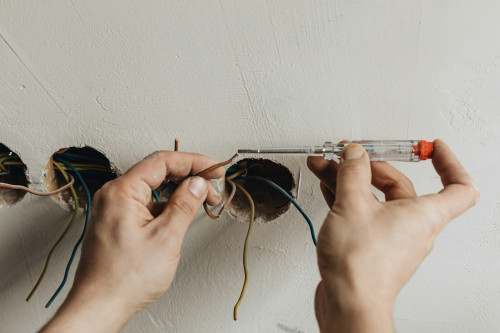
Identifying the correct wires in a light switch is crucial for both safety and function. This guide explains how to understand wire colors, follow proper procedures, and know when it’s time to call a professional electrician.
Christian Holmes
Christian
Holmes
Lighting in the Basement and Utility Room – Function First
Brighten up your basement and utility room with smart, functional lighting solutions
Electrician
Electrician
Lighting
Basement
Utility Room
Home Improvement
Energy Efficiency
3 min
Discover how to plan effective lighting for basements and utility rooms where practicality matters most. Learn how to combine safety, efficiency, and comfort to make these often-overlooked spaces more useful and welcoming.
Celine Rivera
Celine
Rivera
Low-Noise Electrical Installations for a More Comfortable Home
Discover how thoughtful electrical design can make your home quieter and more relaxing
Electrician
Electrician
Electrical Installation
Home Comfort
Noise Reduction
Smart Home
Interior Design
7 min
Electrical systems are essential to modern living, but they can also be a hidden source of unwanted noise. Learn how to reduce hums, clicks, and buzzes through smart planning, proper installation, and professional guidance—creating a more peaceful and comfortable home environment.
Alexander González
Alexander
González
Residual Current Devices: Requirements and Differences Between Residential, Commercial, and Agricultural Applications
Understanding how RCD requirements differ across homes, businesses, and farms
Electrician
Electrician
Electrical Safety
Residual Current Device
Installation Standards
Commercial Buildings
Agricultural Facilities
4 min
Residual Current Devices (RCDs) are vital for electrical safety, protecting people, animals, and property from electric shock and fire. Learn how installation standards and safety requirements vary between residential, commercial, and agricultural environments—and why choosing the right device matters.
Adeline Ramirez
Adeline
Ramirez
Cooking Habits and Electricity Use – How They’re Connected
Discover how your kitchen routines influence your energy consumption
Electrician
Electrician
Energy Efficiency
Cooking
Home Appliances
Sustainability
Household Tips
4 min
The way you cook can have a bigger impact on your electricity bill than you might think. Learn how different cooking methods, appliances, and habits affect energy use—and find practical tips to save power while still enjoying great meals.
Quinn Chavez
Quinn
Chavez
Rural Charm Meets Modern Comfort: How to Create the Best of Both Worlds
Bring timeless country character together with sleek modern living
Trend
Trend
Interior Design
Home Decor
Modern Farmhouse
Country Living
Home Inspiration
5 min
Discover how to design a home that captures the warmth of rural charm while embracing the comfort and functionality of modern style. From materials and colors to decor and outdoor spaces, learn how to create a balanced, inviting atmosphere that feels both authentic and up to date.
Christian Holmes
Christian
Holmes