How to Identify Wires in a Switch – Safely and Correctly


How to Identify Wires in a Switch – Safely and Correctly
Replacing or connecting a light switch might seem like a simple task, but it requires both knowledge and caution. A single mistake can lead to a short circuit, electric shock, or even fire. That’s why it’s essential to know how to identify the different wires correctly—and when to call a licensed electrician. Here’s a detailed guide to help you do it safely and properly.
Safety First – Before You Begin
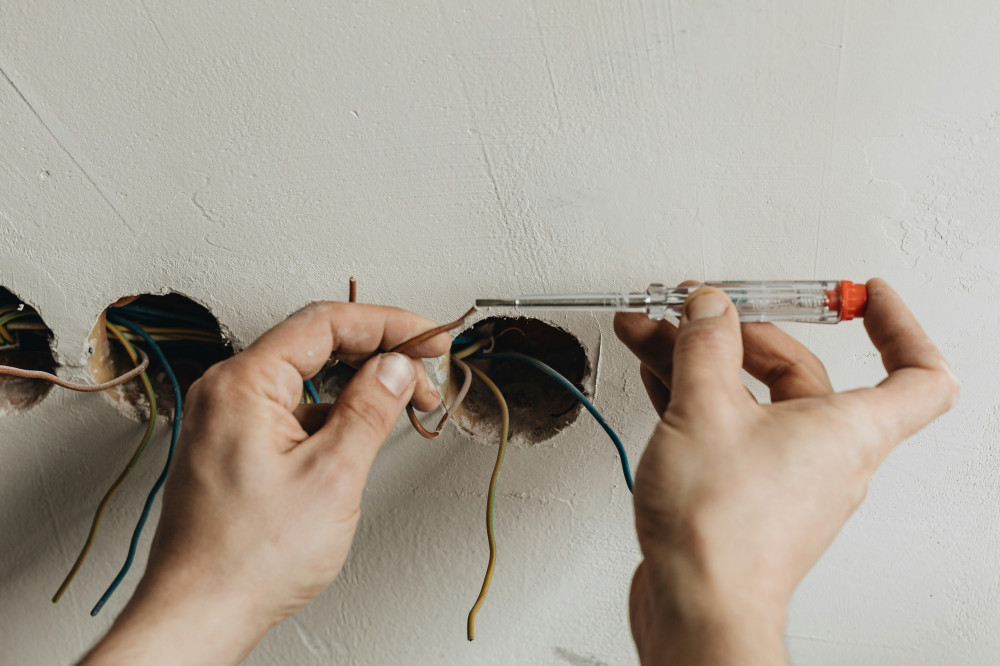
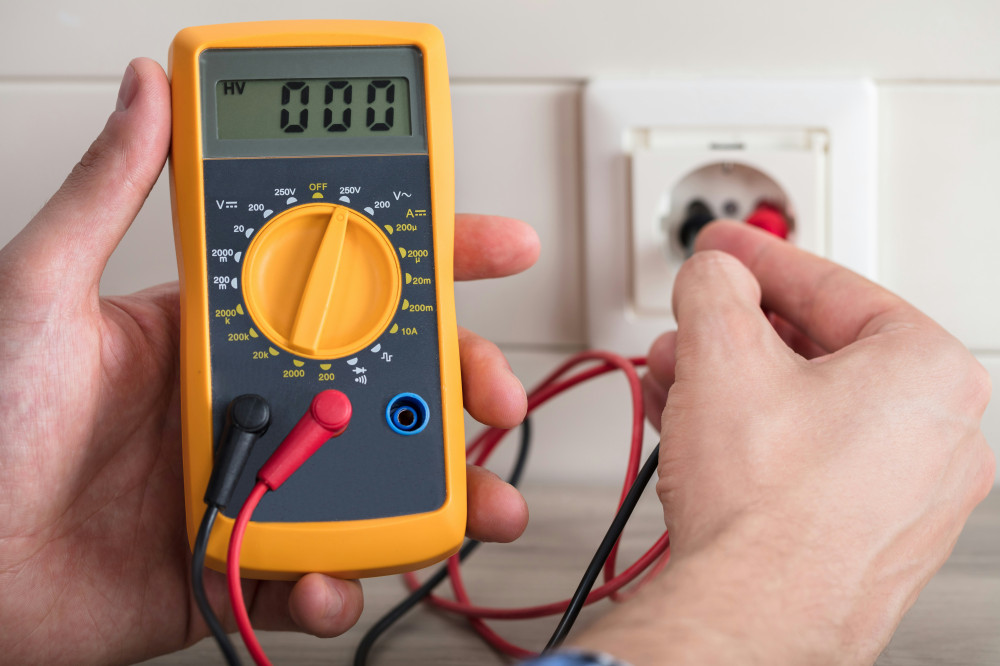
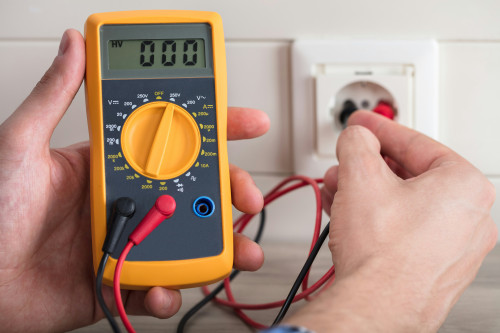
Before touching any wires, turn off the power at the circuit breaker. Flip the breaker that controls the switch you’re working on, and then use a non-contact voltage tester to confirm that no electricity is flowing to the wires. Simply turning the switch off is not enough—power can still be present in the box.
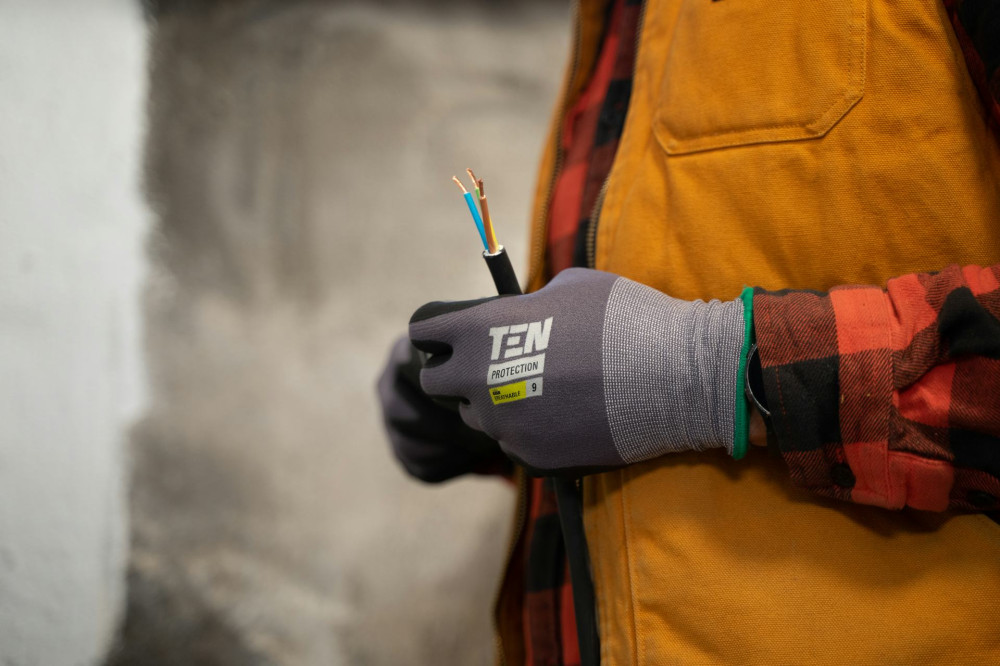
Always use tools with insulated handles, and make sure you’re standing on a dry surface. If you’re unsure about the wiring or the condition of the electrical box, stop and contact a professional. In most U.S. states, homeowners are allowed to replace an existing switch, but any new wiring or major changes must be done by a licensed electrician.
Understanding Wire Colors in U.S. Homes
Modern electrical systems in the United States follow standard color codes that help identify each wire’s purpose:
- Black (or sometimes red) – Hot wire (line): Carries current from the electrical panel to the switch.
- White – Neutral wire: Returns current back to the panel to complete the circuit.
- Bare copper or green – Ground wire: Provides a safe path for stray current and helps prevent electric shock.
- Red – Often used as a traveler or switched hot in multi-way switch setups.
In older homes, you may encounter different color combinations or cloth-covered wires. Because color alone isn’t always reliable, it’s wise to confirm each wire’s function with a voltage tester before making any connections.
How a Light Switch Works
A standard single-pole switch simply opens or closes the circuit on the hot wire. When the switch is “on,” it allows current to flow to the light fixture; when it’s “off,” it breaks the circuit.
In a typical switch box, you’ll usually find:
- A hot wire (black) bringing power from the panel.
- A switched hot wire (black or red) going to the light fixture.
- A ground wire (bare or green) connected to the switch’s grounding screw.
The neutral wire (white) usually bypasses the switch and continues directly to the light fixture, so it may not always be visible inside the switch box.
Step-by-Step: Identifying Wires Correctly
- Turn off the power at the circuit breaker.
- Remove the switch cover plate carefully with a screwdriver.
- Test all wires with a non-contact voltage tester to ensure no power is present.
- Take a photo or make notes of the wire positions before disconnecting anything.
- Identify the hot wire (typically black) – it connects to the common terminal, often marked “COM” or “LINE.”
- Locate the switched hot wire (black or red) – it connects to the terminal leading to the light fixture, often marked “LOAD.”
- Attach the ground wire (bare or green) to the green grounding screw on the switch.
- Reinstall the switch and cover plate, then restore power and test the switch.
If the wire colors don’t match these standards, or if you find multiple cables in the box, stop and consult an electrician before proceeding.
Læs også:
Special Types of Switches
Different switch types have different wiring setups:
- Single-pole switch – The most common type, controlling one light from one location.
- Three-way switch – Allows control of a light from two locations, such as at both ends of a hallway.
- Four-way switch – Used in combination with two three-way switches to control a light from three or more locations.
- Double-pole switch – Controls a 240-volt circuit, often used for heavy appliances.
These configurations can become complex quickly, so if you’re not experienced with electrical wiring, it’s best to get professional help.
When to Call an Electrician
You can safely replace an existing switch if you’re careful and follow safety procedures. However, you should not modify wiring layouts, add new circuits, or work on damaged wires unless you’re licensed to do so. If you encounter aluminum wiring, old knob-and-tube systems, or signs of overheating, contact a qualified electrician immediately.
Electrical work is about more than convenience—it’s about safety for you, your family, and your home.
A Safe Result Requires Care
Identifying wires in a switch isn’t difficult once you understand the color codes and basic principles. But electricity demands respect. With the right knowledge, tools, and precautions, you can handle small tasks safely—and leave the rest to the professionals.
Læs også: