Lighting in the Basement and Utility Room – Function First

Lighting in the Basement and Utility Room – Function First
Basements and utility rooms are often the most overlooked spaces when it comes to lighting. These areas are rarely about mood or décor – they’re about function, safety, and efficiency. Still, the right lighting can make a big difference in how useful and comfortable these rooms feel. With a thoughtful plan, you can create lighting that makes everyday tasks easier and the space more inviting.
Start with the Purpose
Before choosing fixtures, think about how you use the space. In the utility room, you’ll need clear, bright light for doing laundry, sorting, ironing, or handling household chores. In the basement, the purpose can vary – it might serve as storage, a workshop, a hobby area, or even a home gym.
Make a list of the activities that take place in each area and note where you need the most light. This will help you decide on both the placement and type of lighting.
General Lighting – Even and Efficient
Begin with a solid base of general lighting that covers the entire room evenly. LED ceiling fixtures or recessed lights are excellent choices. They provide bright, white light that resembles daylight and turn on instantly – even in cooler basement environments.
Look for fixtures with a color temperature around 4000 Kelvin for a neutral, functional light. Avoid overly warm light (below 3000K), which can make it harder to see details, and very cool light (above 5000K), which can feel harsh.
If your ceiling is low, choose slim fixtures or recessed lights to keep the space feeling open and to avoid bumping into hanging lamps.
Task Lighting – Where You Need It Most
In addition to general lighting, targeted task lighting is essential. Above the washer and dryer, sink, or workbench, install extra fixtures that provide direct light on the area. This makes it easier to spot stains, read labels, or handle small repairs.
LED shop lights or under-cabinet fixtures are great options because they deliver broad, even light without glare. Position them so you don’t cast shadows on your work surface.
Safety and Moisture – Choose the Right Fixtures
Basements and utility rooms can be damp, so it’s important to choose fixtures rated for the environment. For dry areas, standard indoor fixtures are fine, but near water sources or in humid spaces, look for damp- or wet-rated fixtures (UL Damp or UL Wet). These are designed to resist moisture and prevent electrical hazards.
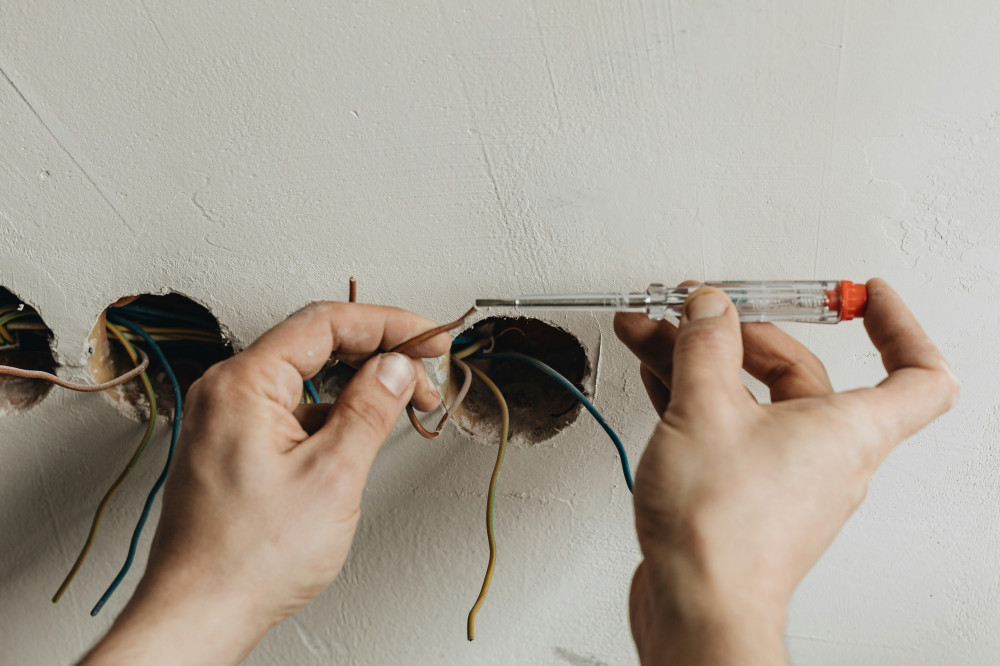
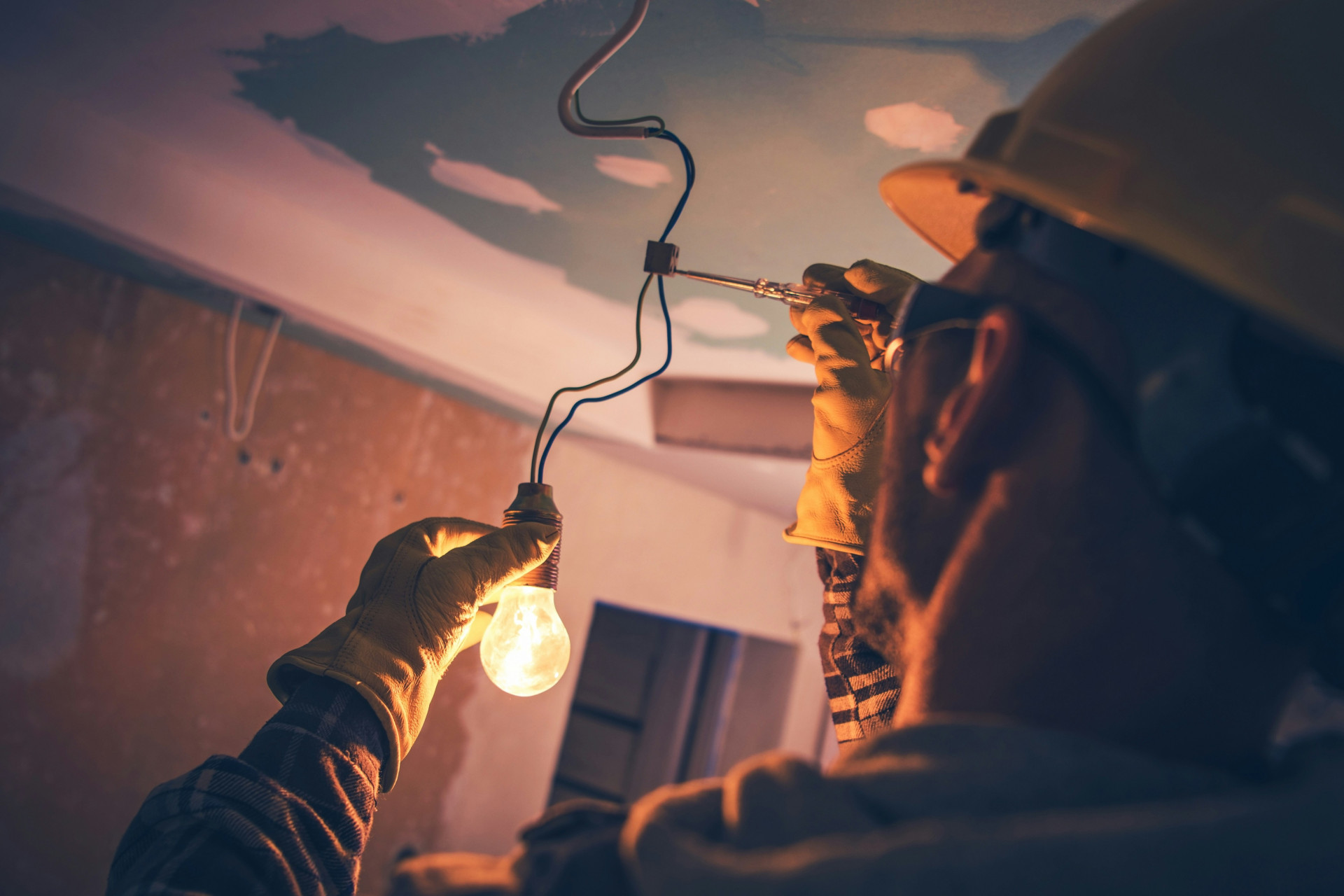
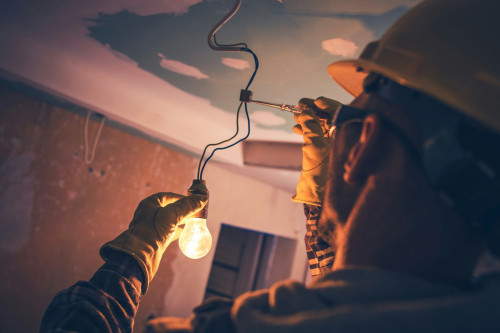
Always ensure that wiring and installation are done safely. For hardwired fixtures, it’s best to have a licensed electrician handle the job.
Læs også:
Motion Sensors and Automatic Controls
In spaces you enter briefly or with your hands full, motion sensors can be a big help. They turn the lights on automatically when you walk in and off after a set time. This saves energy and adds convenience – especially when you’re carrying laundry or tools.
You can choose fixtures with built-in sensors or add separate motion detectors. Look for models that allow you to adjust sensitivity and timing so the lights don’t turn off too quickly.
Consider Color Rendering and Brightness
When working with fabrics, paint, or materials, accurate color rendering is important. Choose fixtures with a high Color Rendering Index (CRI of 80 or above). This ensures colors look natural and details are easy to see.
Brightness is measured in lumens. As a general rule, aim for about 30–50 lumens per square foot in a utility or basement area, depending on how the space is used. That provides bright, functional light without glare.
Make the Space More Inviting
Even though function comes first, you can still make the space pleasant. A few well-placed wall sconces or a dimmable fixture can make a basement feel more welcoming, especially if it doubles as a hobby room or home office.
Think about how light reflects in the room. Light-colored walls and ceilings help distribute light more evenly and make the space feel larger and brighter.
Think Long-Term – Choose Energy-Efficient Solutions
LED lighting is the best choice for basements and utility rooms today. It uses far less energy than traditional bulbs and lasts for many years. Combined with motion sensors or dimmers, LEDs create a flexible, energy-smart system that requires little maintenance.
When planning your lighting, consider that the space might change over time. A flexible setup with multiple switches or adjustable fixtures makes it easier to adapt the lighting as your needs evolve.
Function First – with a Thoughtful Touch
Good lighting in the basement and utility room is first and foremost about seeing what you’re doing – safely and efficiently. But with a bit of planning, you can also make these practical spaces more comfortable and enjoyable to use. The right light makes everyday tasks easier and your home more functional overall.
Læs også: