Residual Current Devices: Requirements and Differences Between Residential, Commercial, and Agricultural Applications

Residual Current Devices: Requirements and Differences Between Residential, Commercial, and Agricultural Applications
Residual Current Devices (RCDs) – also known in the U.S. as Ground-Fault Circuit Interrupters (GFCIs) or Ground-Fault Protection (GFP) devices – are among the most important safety components in any electrical system. They protect people and animals from electric shock and help prevent electrical fires by disconnecting power when a ground fault occurs. However, the requirements for RCDs vary depending on whether the installation is in a home, a commercial building, or an agricultural facility. This article provides an overview of those differences and explains why they matter.
What Is a Residual Current Device?
An RCD continuously monitors the electrical current flowing through a circuit. If it detects an imbalance between the current going out and the current returning – for example, if electricity is leaking through a person, a damaged cable, or moisture to ground – it disconnects the circuit within milliseconds.
In the United States, the National Electrical Code (NEC) requires ground-fault protection in many types of installations. The most common devices are:
- GFCI (Ground-Fault Circuit Interrupter) – used primarily for personnel protection in residential and commercial settings.
- GFPE (Ground-Fault Protection of Equipment) – used in larger systems, such as commercial or industrial panels, to protect equipment from fire hazards rather than direct shock.
- RCD Type A, B, or F – terms more common in international standards, but relevant for specialized U.S. applications such as EV charging or variable-frequency drives.
Requirements in Residential Installations
In homes, the main goal of RCDs or GFCIs is to protect people from electric shock.
- The NEC (Article 210.8) requires GFCI protection for all 125–250 V receptacles in areas such as bathrooms, kitchens, garages, basements, laundry areas, and outdoors.
- GFCIs must trip at a maximum of 6 mA of ground-fault current, providing rapid disconnection to prevent injury.
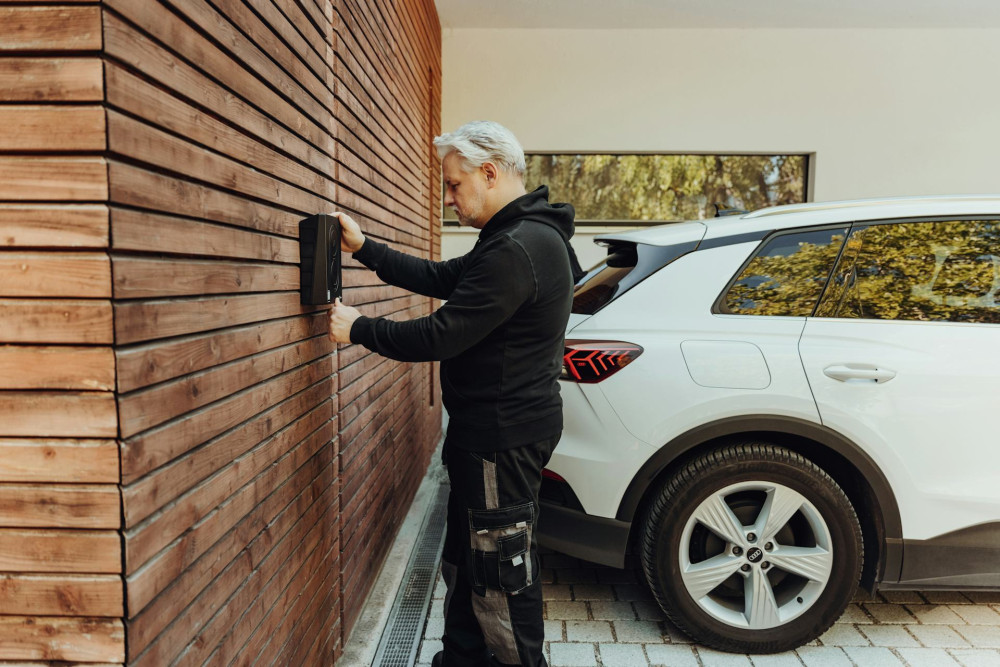
- For EV charging equipment or solar installations, additional protection may be required. Some EV chargers include built-in DC fault detection, while others may require a Type B RCD capable of detecting both AC and DC leakage currents.
- It is recommended to divide circuits into multiple GFCI-protected zones to avoid losing power to the entire home if one device trips.
For homeowners, this means a high level of safety and compliance, provided that GFCIs are tested regularly and replaced if they fail to operate properly.
Requirements in Commercial Buildings
Commercial installations are more complex, and the requirements depend on the type of occupancy and equipment used.
- Personnel protection is required in areas where employees or the public may come into contact with electrical outlets or equipment, such as offices, kitchens, restrooms, and maintenance areas.
- Equipment protection (GFPE) is often used in large electrical panels or service equipment rated 1000 A or more, typically set to trip at 30 mA to 1200 mA, to prevent fire hazards without unnecessary interruptions.
- Circuits supplying motors, variable-frequency drives (VFDs), or UPS systems may require Type B RCDs or equivalent devices that can detect smooth DC and high-frequency leakage currents.
- The NEC allows flexibility in commercial applications, but a qualified electrician must evaluate the system to ensure both safety and operational reliability.
In commercial environments, the balance between safety and uptime is critical. Proper selection and coordination of RCDs help prevent nuisance tripping while maintaining compliance with code requirements.
Requirements in Agricultural Installations
Agricultural facilities present unique challenges: moisture, dust, corrosive gases, and the presence of animals all increase the risk of electrical faults.
- The NEC (Article 547) requires GFCI protection for all 15- and 20-amp, 120-volt receptacles in livestock areas, as well as for outdoor outlets and equipment subject to damp or wet conditions.
- Circuits in barns, milking parlors, and feed systems should be protected by GFCIs or RCDs rated at 30 mA for personnel safety.
- Equipment circuits may use GFPE devices (typically 100–300 mA) for fire protection where nuisance tripping could disrupt operations.
- Devices should have appropriate enclosure ratings (NEMA 3R, 4X, or higher) to withstand moisture and corrosion.
- To minimize downtime, installations should be divided into multiple protected zones, so a single fault does not shut down the entire facility.
In agriculture, electrical safety is not only about protecting people but also about ensuring animal welfare and continuous operation. A single electrical fault can have serious consequences for livestock and production.
Testing and Maintenance
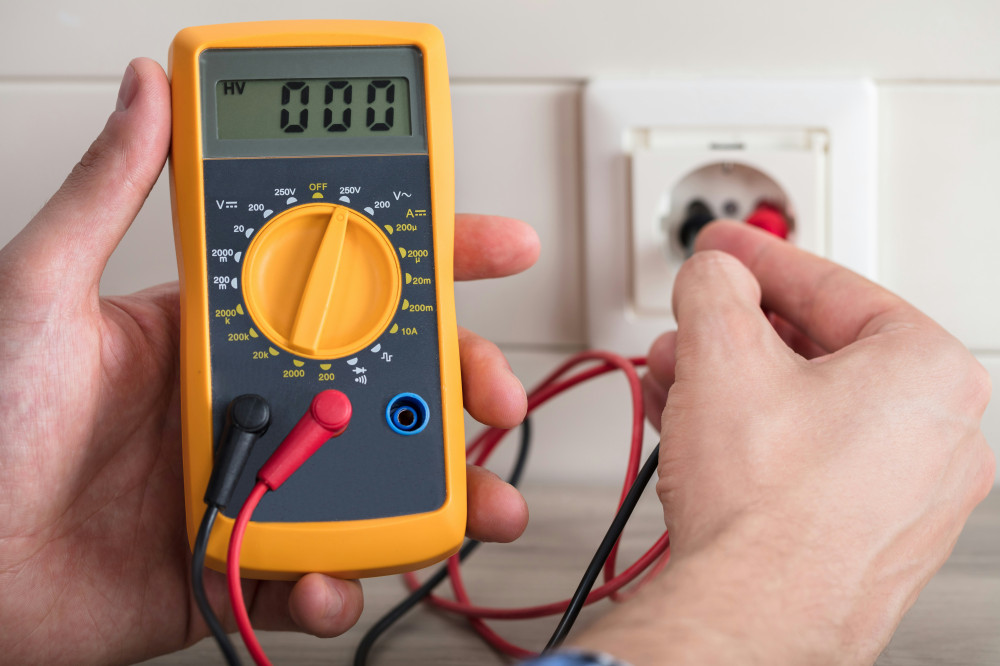
RCDs and GFCIs must be tested regularly to ensure they function correctly. Most manufacturers recommend pressing the “TEST” button at least once every six months. If the device does not trip, it must be replaced immediately.
In commercial and agricultural settings, testing and documentation should be part of the required electrical safety inspection program. Regular maintenance ensures compliance with OSHA and NEC standards and helps prevent costly downtime or accidents.
Summary of Key Differences
| Application | Typical Device | Trip Current | Special Considerations | |--------------|----------------|---------------|------------------------| | Residential | GFCI (Type A) | 6 mA | Required in wet or outdoor areas; Type B for EV chargers | | Commercial | GFCI / GFPE / Type B | 6 mA (personnel) / 30–300 mA (equipment) | Depends on equipment and environment | | Agricultural | GFCI / GFPE / Type B | 6–30 mA (personnel) / 100–300 mA (equipment) | Moisture, dust, and animal safety require robust enclosures |
Læs også:

Safety Starts with Proper Installation
Residual Current Devices save lives – but only when properly installed, tested, and maintained. Whether you’re a homeowner, a business owner, or a farmer, always have a licensed electrician verify that your electrical system meets current NEC requirements and that all protective devices are functioning as intended.
It’s a small investment that can prevent injuries, fires, and costly downtime – and it provides peace of mind knowing your electrical system is safe.
Læs også: