How a Home’s Wastewater System Is Typically Designed

How a Home’s Wastewater System Is Typically Designed
When you flush the toilet, take a shower, or run the dishwasher, the used water disappears down the drain almost instantly. But where does it actually go? A home’s wastewater system is a hidden yet essential part of its infrastructure. It ensures that all used water is safely carried away without causing odors, moisture damage, or pollution. Here’s an overview of how a typical American home’s wastewater system is designed and what happens from the drain to the treatment plant.
From Drain to Main Stack
Inside the house, the wastewater system begins at the visible drains — in sinks, showers, bathtubs, dishwashers, and toilets. Each drain connects to a pipe that leads to a main stack, the vertical pipe that collects wastewater from multiple fixtures and directs it downward toward the home’s sewer connection.
Every drain includes a trap, a U-shaped section of pipe that holds a small amount of water. This water barrier prevents sewer gases from entering the home while allowing wastewater to flow freely. If a trap dries out — for example, in a rarely used sink — unpleasant odors can escape, so it’s wise to run water through all drains occasionally.
The Home’s Drain and Sewer Pipes
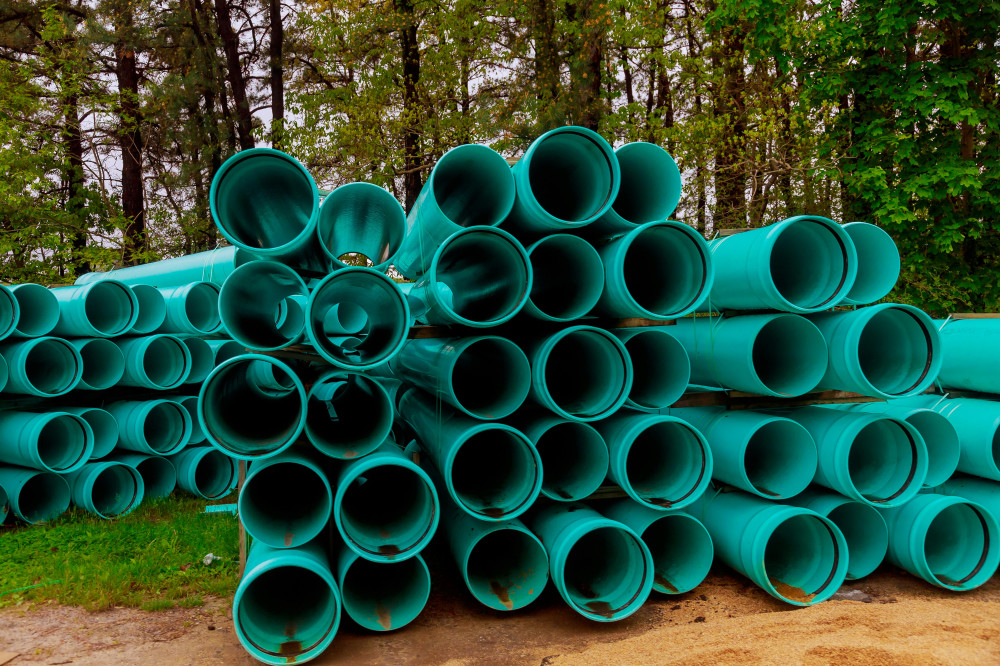
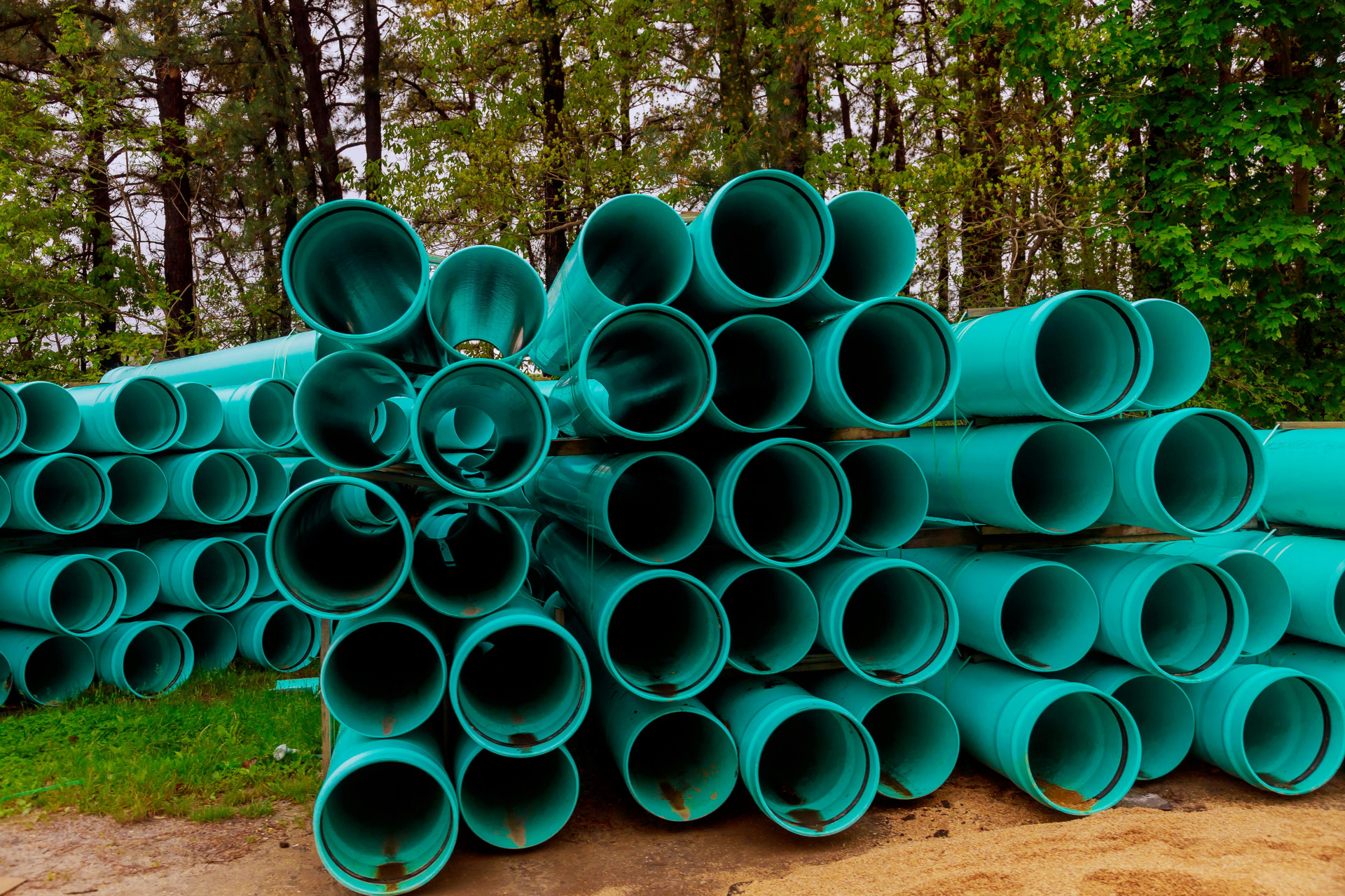
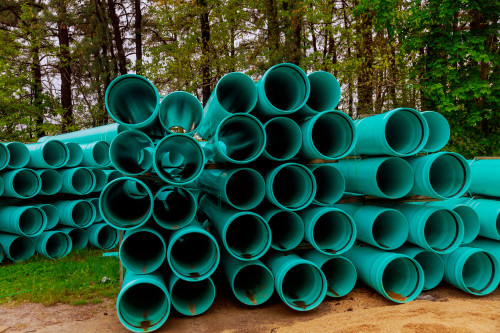
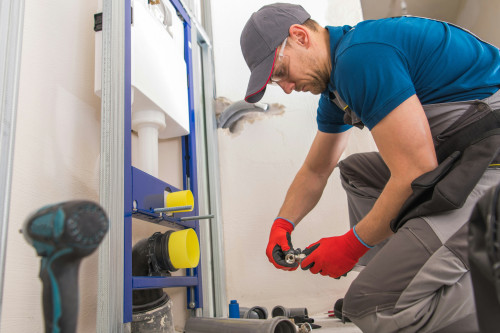
Beneath the house, the system continues through horizontal drain lines that collect wastewater from the main stack and carry it toward the building sewer. These pipes are typically made of PVC (polyvinyl chloride) or ABS (acrylonitrile butadiene styrene), both durable and resistant to corrosion.
The pipes are installed with a slight downward slope so that gravity can move the water along. If the slope is too shallow, solids may settle and cause clogs; if it’s too steep, water can outrun solids, leaving debris behind. Proper grading is therefore crucial for reliable drainage.
Connection to the Public Sewer or Septic System
Where the wastewater goes next depends on the property’s location. In most urban and suburban areas, homes are connected to a public sewer system. The building sewer — the pipe that carries wastewater from the house — connects to the municipal sewer line, usually located under the street. From there, the wastewater travels to a wastewater treatment plant, where it’s cleaned before being released back into the environment.
In rural areas without public sewer service, homes often rely on a septic system. In this setup, wastewater flows into a septic tank, where solids settle and begin to decompose. The liquid effluent then moves into a drain field, where it filters through soil that naturally removes contaminants. Septic systems require regular pumping and inspection to function properly.
Venting and Odor Control
A well-designed wastewater system also needs ventilation. The main stack extends through the roof as a vent pipe, allowing air to enter the system and equalize pressure when water flows through the pipes. Without proper venting, negative pressure could siphon water out of traps, leading to gurgling sounds and sewer odors.
In some cases — such as in additions or basement bathrooms — a mechanical air admittance valve may be used instead of a full vent pipe. This one-way valve admits air when needed but prevents gases from escaping into the home.
Stormwater and Wastewater Separation
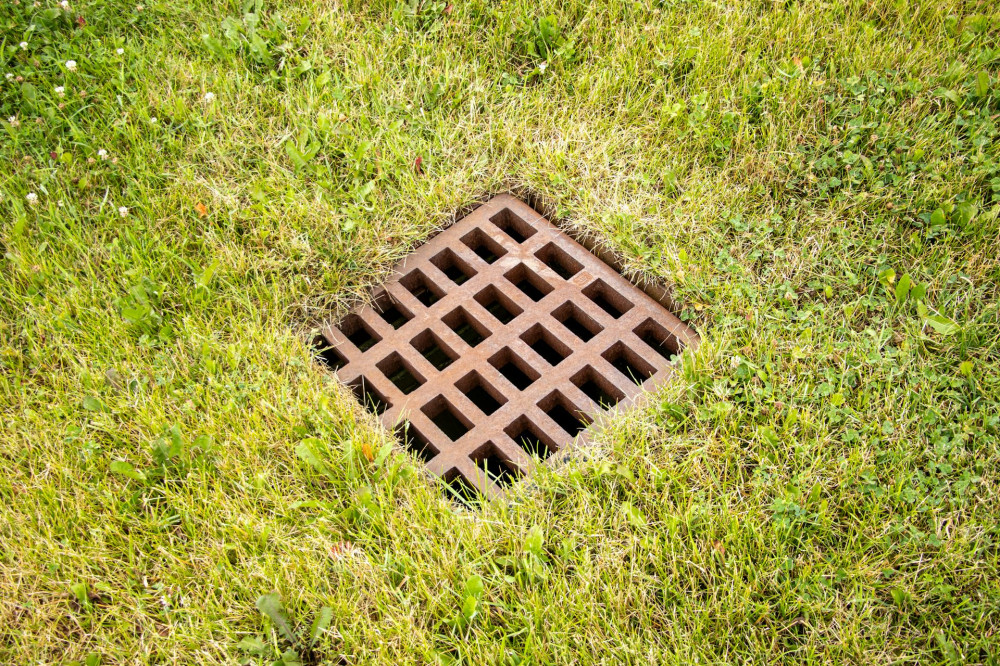
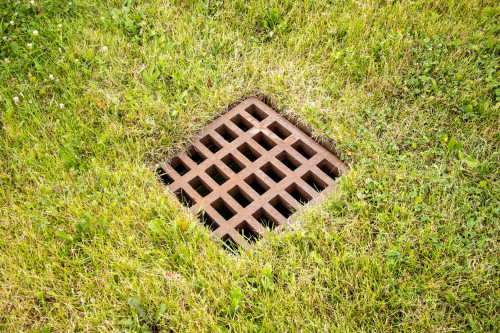
In most modern U.S. communities, stormwater (from rain and roof runoff) and wastewater (from toilets, sinks, and appliances) are handled separately. Roof gutters and yard drains direct rainwater to storm sewers or soakaway systems, while wastewater flows to sanitary sewers or septic systems. This separation helps prevent overloading treatment plants during heavy rain and reduces the risk of sewage backups.
Maintenance and Common Issues
Although the wastewater system is mostly hidden, it needs occasional attention. Grease, hair, and soap residue can build up over time and cause blockages. To keep the system running smoothly:
- Avoid pouring grease or food scraps down the sink.
- Use strainers in drains to catch hair and debris.
- Flush only toilet paper — not wipes or hygiene products.
- Have your sewer line or septic system inspected if you notice slow drains or recurring clogs.
Tree roots can also invade underground pipes, especially older clay or cast-iron lines. Regular inspection with a camera or professional cleaning can prevent costly damage.
Læs også:
From Home to Treatment Plant
Once wastewater leaves your property, it travels through the municipal sewer network to a treatment facility. There, it undergoes several stages of cleaning — removing solids, breaking down organic matter, and disinfecting the water — before being safely discharged into rivers, lakes, or the ocean. In some regions, treated water is even reused for irrigation or industrial purposes.
An Invisible but Vital System
Though it’s out of sight, a home’s wastewater system is one of its most important technical installations. It protects health, preserves the building, and safeguards the environment. With proper design, installation, and maintenance, it can operate efficiently for decades — quietly ensuring that everything you flush or drain disappears the right way.
Læs også: