Maintain Your Sewer System with a Plan – How to Do It Simply and Efficiently

Maintain Your Sewer System with a Plan – How to Do It Simply and Efficiently
A well-functioning sewer system is essential for a healthy and comfortable home. Yet most homeowners don’t think about it until something goes wrong—like slow drains, foul odors, or even a backup. With a simple maintenance plan, you can prevent costly repairs and keep your system running smoothly year-round. Here’s a practical guide to help you stay on top of your home’s sewer maintenance—step by step.
Know Your Sewer System
Before you can maintain your sewer system, it’s important to understand how it’s set up. Most U.S. homes have a system that carries wastewater from sinks, showers, and toilets to the municipal sewer line or a private septic system. Rainwater from gutters and downspouts is usually directed separately.
Locate your home’s plumbing and sewer layout. If you don’t have the original plans, your local building department or a licensed plumber can often help you identify where the main lines, cleanouts, and access points are. Knowing this layout helps you pinpoint issues quickly if problems arise.
Create an Annual Inspection Plan
Your sewer system doesn’t need daily attention, but a yearly checkup can make a big difference. Many inspections you can do yourself, while others are best left to professionals.
Here’s a simple seasonal plan to follow:
- Spring: Clean gutters and downspouts to ensure rainwater flows away from your foundation. Check for any signs of leaks or erosion near drain lines.
- Summer: Watch for slow drains or gurgling sounds in sinks and toilets—these can signal early blockages.
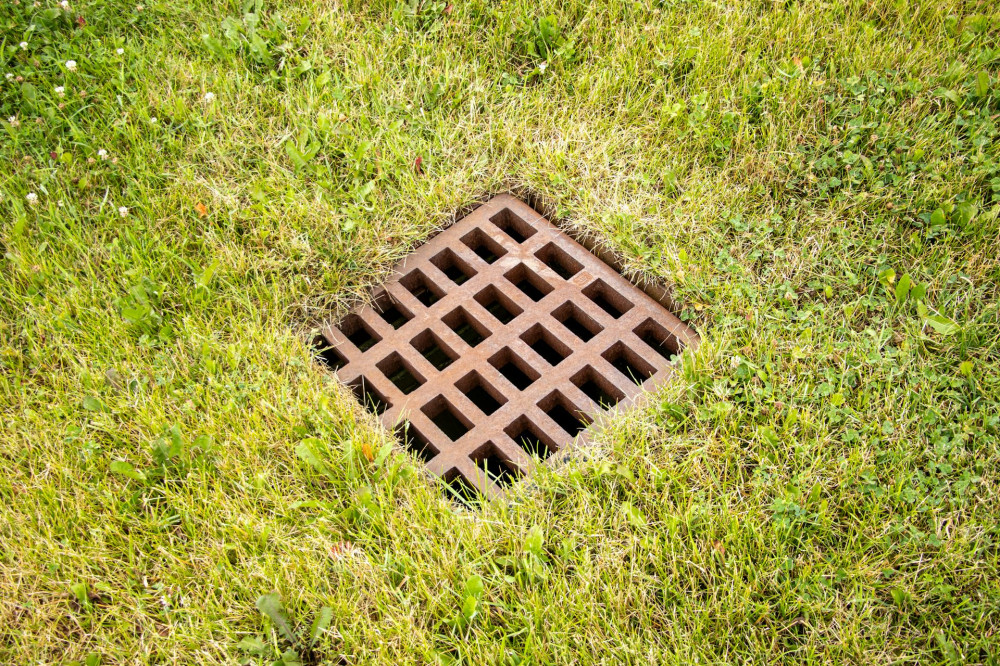
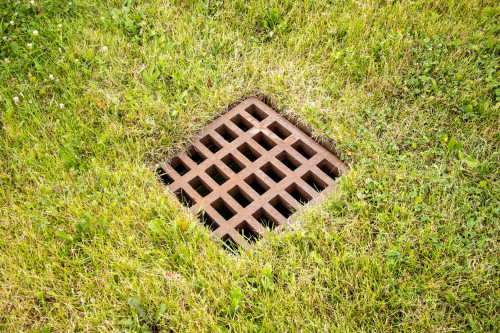
- Fall: Clear leaves and debris from yard drains and storm grates before heavy rains begin.
- Winter: Protect exposed pipes from freezing and check basement drains for proper flow.
By following a consistent schedule, you’ll catch small issues before they turn into major repairs.
Læs også:
Clean and Maintain Drains
Kitchen and bathroom drains are often the first places where problems show up. Grease, hair, and soap residue can build up over time and restrict water flow.
- Kitchen drains: Never pour grease or cooking oil down the sink. Wipe pans with a paper towel before washing them.
- Bathroom drains: Remove hair from drain covers regularly and consider using a biological drain cleaner that breaks down organic material without harming pipes.
- Floor drains: Pour a bucket of warm water down occasionally to flush out sediment and keep the trap filled.
If water still drains slowly, try using a plunger or call a licensed plumber for a professional cleaning.
Watch for Warning Signs
Your sewer system often gives subtle warnings before serious trouble develops. Be alert to:
- Unpleasant odors from drains or cleanouts
- Gurgling noises from toilets or sinks
- Water backing up or draining slowly
- Damp spots or discoloration near floor drains or foundations
These symptoms can indicate a clog, pipe damage, or even tree root intrusion. The sooner you act, the easier and cheaper the fix will be.
Get Professional Help When Needed
While you can handle basic maintenance yourself, some situations call for professional expertise—especially if you experience repeated clogs, basement flooding, or suspect a broken pipe.
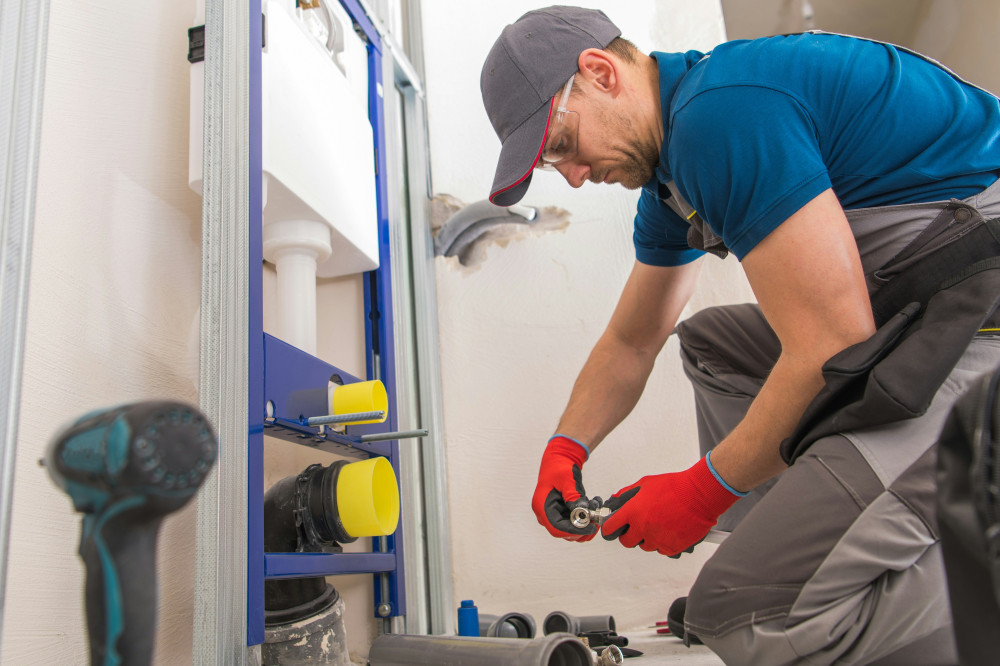
A licensed plumber can perform a video inspection, using a camera to look inside your pipes and identify the exact cause of the problem. This precise diagnosis helps avoid unnecessary digging or guesswork.
You might also consider a maintenance agreement, where a plumber inspects your system annually. It’s a convenient way to ensure your sewer stays in good condition and can extend the life of your pipes.
Prevent Backups and Pests
Two of the most unpleasant sewer issues are backups and pests, but both can be prevented with a few smart measures:
- Install a backwater valve to stop sewage from flowing back into your home during heavy rain or municipal overloads.
- Keep landscaping in check—avoid planting trees with aggressive roots near sewer lines.
- Seal entry points and use rodent barriers if you’ve had issues with pests entering through drain lines.
These upgrades usually require a professional installer, but they’re well worth the investment for peace of mind and property protection.
A Plan Brings Peace of Mind and Savings
Maintaining your sewer system isn’t just about plumbing—it’s about preventing stress and unexpected expenses. With a simple plan, regular checkups, and professional help when needed, you can keep your system working efficiently for years to come.
A little effort now can save you thousands later—and give you confidence that your home is protected, no matter the weather.
Læs også: