Legislation and Sewer Work: Requirements That Prevent Sewer Problems

Legislation and Sewer Work: Requirements That Prevent Sewer Problems
A well-functioning sewer system is essential for public health, environmental protection, and the longevity of buildings. Yet many homeowners are unaware that sewer work in the United States is subject to a range of legal and technical requirements designed to prevent costly and hazardous problems. This article explains how legislation and standards help ensure proper sewer installation and maintenance—and what every property owner should know before starting a repair or new connection.
Licensing and Responsibility – Who Can Perform Sewer Work?
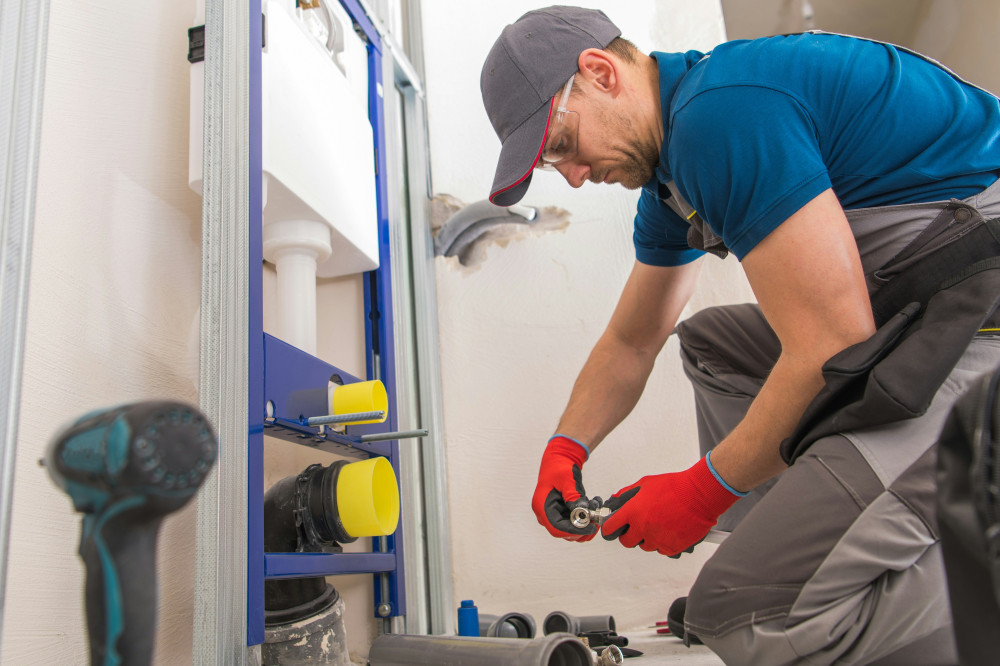
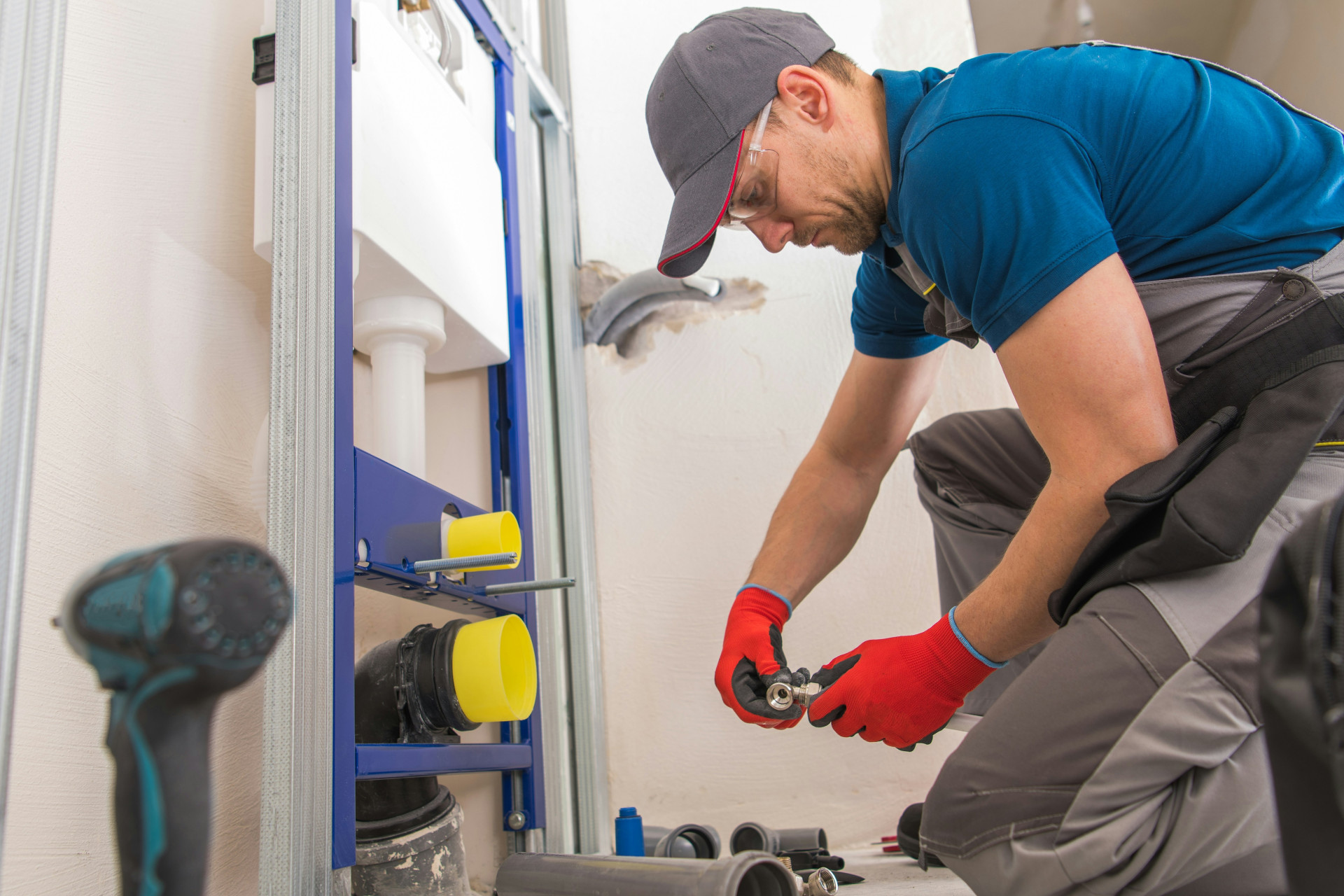
In most U.S. states, sewer and plumbing work must be performed by a licensed plumber or contractor. Licensing requirements vary by state, but they generally ensure that the professional has completed training, passed examinations, and carries liability insurance. Some municipalities also require additional permits or certifications for work that connects to public sewer lines.
Homeowners are responsible for hiring qualified professionals. Performing unlicensed sewer work can lead to fines, denial of insurance claims, and serious property damage. In many jurisdictions, even small repairs to sewer laterals—the pipes connecting a home to the public main—must be inspected and approved by local authorities.
Building Codes and Environmental Protection
Sewer work is governed by both building codes and environmental regulations. The International Plumbing Code (IPC) and the Uniform Plumbing Code (UPC), adopted in various forms across the country, set standards for how drainage systems must be designed and installed. These codes ensure that wastewater is safely conveyed and that systems are watertight and properly vented.
Environmental laws, such as the Clean Water Act, prohibit the discharge of untreated sewage into soil or waterways. Local governments enforce these rules through permitting and inspection processes. In many areas, stormwater and wastewater must be kept separate to prevent overflows and contamination during heavy rain events.
Læs også:
Technical Standards and Quality Requirements
Sewer systems must meet specific technical standards to function reliably. Key requirements include:
- Proper sizing – Pipes and manholes must be large enough to handle expected flow rates.
- Correct slope – Adequate pitch ensures wastewater flows smoothly and prevents blockages.
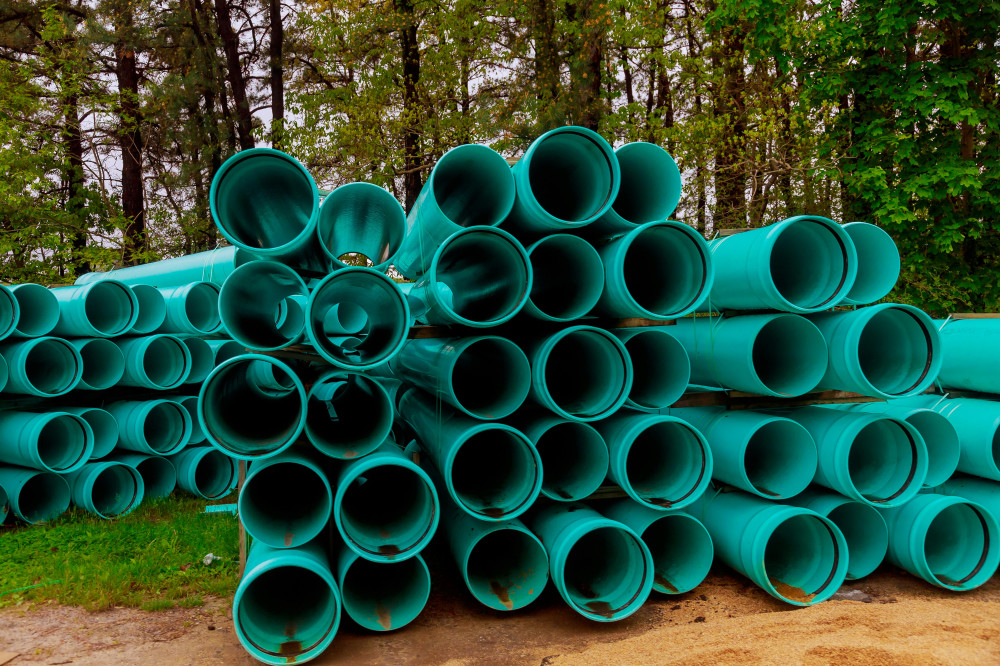
- Durable materials – Pipes must resist corrosion, pressure, and root intrusion.
- Leak testing – Systems are pressure-tested or smoke-tested before approval to confirm tightness.
These standards are not just bureaucratic details—they are based on decades of experience with common sewer failures such as backups, leaks, and structural collapse.
Separate Sewer Systems and Climate Resilience
Many U.S. cities are investing in separate sewer systems, where stormwater and sanitary sewage are carried in different pipes. This approach reduces the risk of combined sewer overflows, which can release untreated wastewater into rivers and lakes during storms. Homeowners may be required to disconnect downspouts or sump pumps from sanitary lines to comply with local ordinances.
As climate change increases the frequency of heavy rainfall, municipalities are also encouraging green infrastructure—such as rain gardens, permeable pavements, and retention basins—to reduce pressure on sewer systems. Compliance with these initiatives not only protects the environment but also helps prevent flooding and property damage.
Permits, Inspections, and Documentation
Before beginning sewer work, homeowners or contractors typically must obtain a permit from the local building or public works department. After installation, the work must pass inspection to verify compliance with code and environmental standards. Once approved, the project is recorded as part of the property’s official documentation.
Keeping this documentation is crucial. It provides proof that the work was done legally and correctly—information that can be vital when selling a home or filing an insurance claim. Without proper permits and inspection records, homeowners may face penalties or be held liable for future problems.
Prevention Through Regulation
Sewer regulations may seem complex, but their purpose is straightforward: to prevent problems before they occur. When sewer work follows the law, the risk of backups, contamination, and costly repairs is greatly reduced.
Homeowners can help protect their property and community by:
- Hiring licensed and insured professionals.
- Obtaining all required permits before work begins.
- Keeping records of inspections and approvals.
- Maintaining sewer lines and cleanouts regularly.
- Consulting local authorities if unsure about requirements.
Complying with sewer legislation is more than a legal obligation—it’s an investment in safety, sustainability, and peace of mind for years to come.
Læs også: