Paint Outdoors Responsibly – How to Reduce Waste and Spillage


Paint Outdoors Responsibly – How to Reduce Waste and Spillage
When the weather warms up and the days get longer, it’s the perfect time to refresh your home’s exterior, deck, or fence with a new coat of paint. But outdoor painting projects can easily lead to unnecessary waste and pollution if you don’t plan carefully. With a few mindful habits, you can save money, protect the environment, and achieve a better finish. Here’s a guide to painting outdoors responsibly—from planning to cleanup.
Plan Ahead and Buy Only What You Need
The first step toward reducing waste is good planning. Measure the surfaces you’ll be painting and use the manufacturer’s coverage guide to calculate how much paint you actually need. Many people buy extra “just in case,” but leftover paint often ends up drying out or being thrown away as hazardous waste.
- Make accurate calculations – it’s better to buy a little less and pick up more later than to be left with half-full cans.
- Choose quality paint – it covers better, lasts longer, and requires fewer coats.
- Check the forecast – avoid painting in direct sunlight, high humidity, or rain to prevent having to redo your work.
A well-planned project saves time, money, and resources.
Prepare the Surface Properly
A clean, dry surface not only looks better but also helps the paint last longer, reducing how often you need to repaint. Remove loose paint, dirt, and mildew, and let wood surfaces dry completely before painting.
Use biodegradable cleaners and avoid rinsing chemicals into storm drains. If you use a pressure washer, direct the runoff away from plants and waterways, as it may contain paint residue and debris.
Use Brushes and Rollers Wisely
Painting efficiently isn’t just about technique—it’s also about minimizing waste as you go.
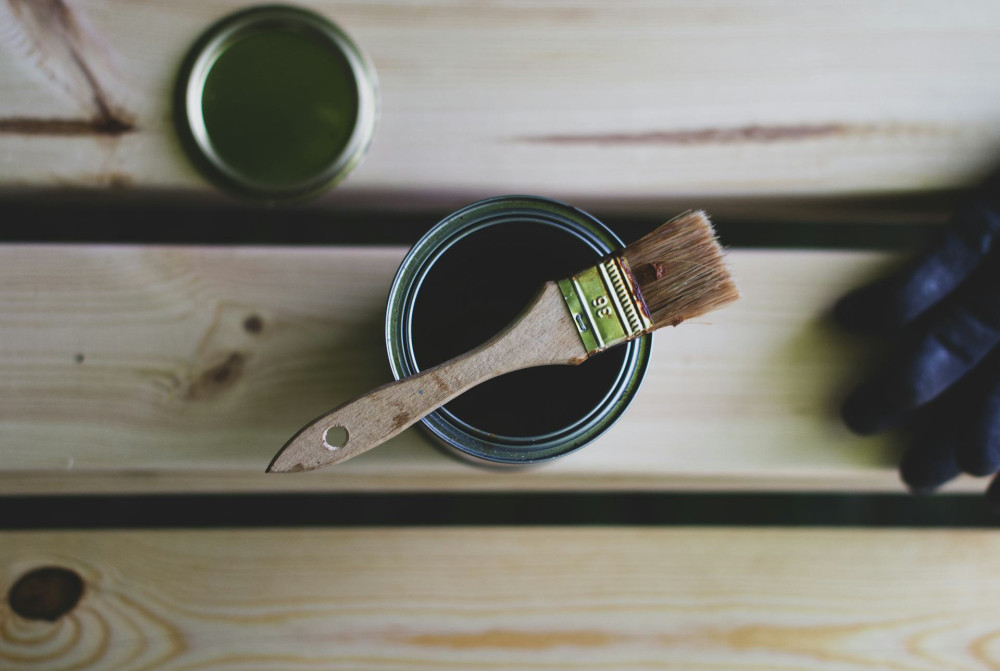
- Use a paint tray instead of dipping directly into the can for better control.
- Cover paint cans during breaks to prevent drying.
- Clean tools properly – good brushes and rollers can last for years if maintained well.
If you’re using water-based paint, rinse brushes in a bucket instead of under running water. Let the paint solids settle, then dispose of the dirty water at a local household hazardous waste facility.
Prevent Spills and Drips
One of the most visible forms of waste is paint that drips onto the ground or gets carried away by the wind. Protect your surroundings with drop cloths or reusable tarps, and avoid painting on windy days when overspray can land on plants, patios, or windows.
Choose brushes and rollers that fit the job—a large roller on narrow surfaces often leads to more waste than coverage.
Læs også:




Handle Leftovers and Waste Correctly
When the job is done, you may be left with paint, empty cans, and used coverings. Handle these materials responsibly:
- Store leftover paint in tightly sealed containers for touch-ups later.
- Take paint and rinse water to a local hazardous waste collection site.
- Recycle clean, dry containers where possible.
- Reuse drop cloths and rags if they’re still in good condition.
Never pour paint down the drain or throw it in the trash—small amounts can still harm the environment.
Choose Environmentally Friendly Products
When shopping for paint, look for products labeled low-VOC or zero-VOC (volatile organic compounds). These paints release fewer harmful fumes and are safer for both you and the environment. Many brands also offer eco-certified options recognized by the U.S. Environmental Protection Agency (EPA) or Green Seal.
You can also find sustainable brushes, rollers, and cleaning products—ask your local hardware store for recommendations.
Make Responsible Painting a Habit
Outdoor painting doesn’t have to be wasteful. With a bit of planning, care, and respect for your materials, you can significantly reduce waste while achieving a beautiful, long-lasting result. Think through the entire process—from purchase to cleanup—and choose options that benefit both your home and the planet.
Next time you pick up a paintbrush, remember: the best paint job is one that looks great and leaves no trace behind.
Læs også: