Paint Safely at Heights: Techniques and Equipment That Make the Difference

Paint Safely at Heights: Techniques and Equipment That Make the Difference
Painting ceilings, tall walls, or exterior facades can completely transform a space or building—but it also comes with risks. Working at heights requires careful planning and the right equipment to prevent accidents. Many injuries happen when people overreach, use unstable ladders, or skip basic safety steps. With proper preparation and safe techniques, you can paint efficiently and confidently, whether you’re standing on a ladder, a scaffold, or using extension tools. Here’s how to get the job done beautifully—without compromising safety.
Preparation: Plan Before You Climb
Before you pick up a brush or roller, take time to plan your work from the ground. Think about how high you’ll need to reach and how long you’ll be working at that height. This will help you choose the safest and most practical setup.
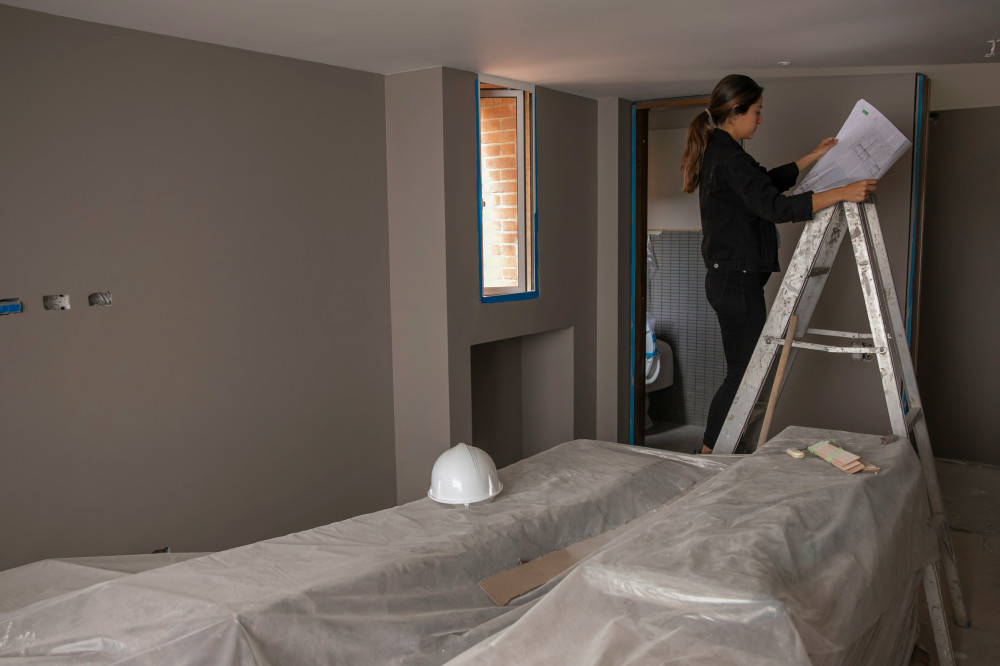
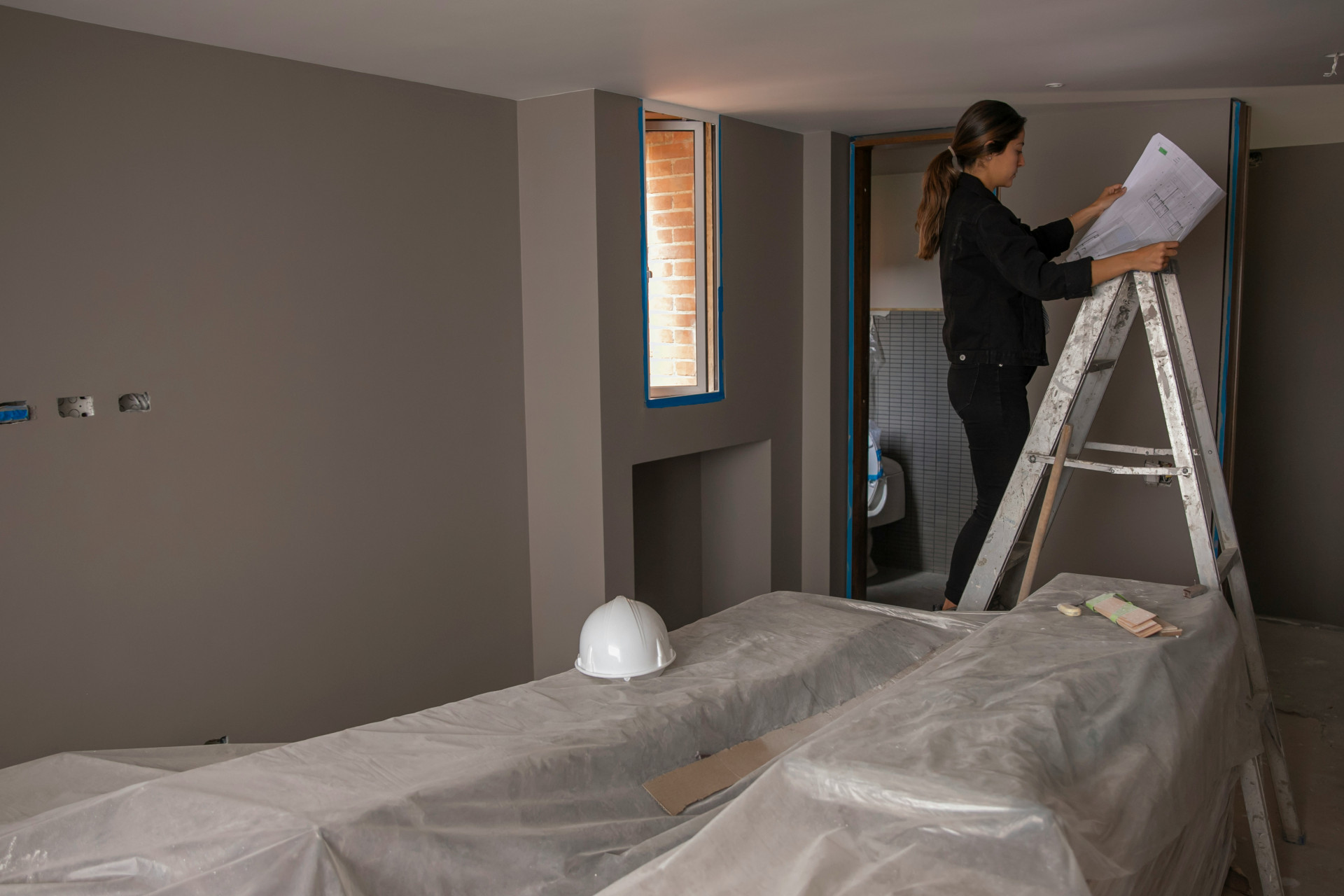
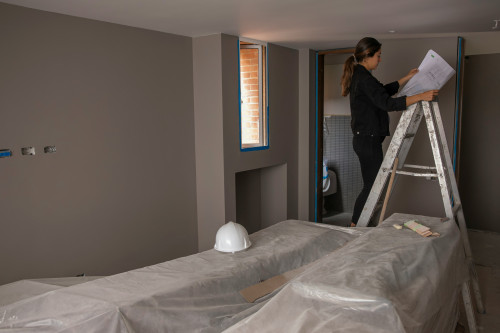
- Short tasks like painting a door frame or a small section of ceiling can usually be done with a sturdy step ladder.
- Larger or longer projects may call for a scaffold or work platform, which allows you to move freely and maintain balance.
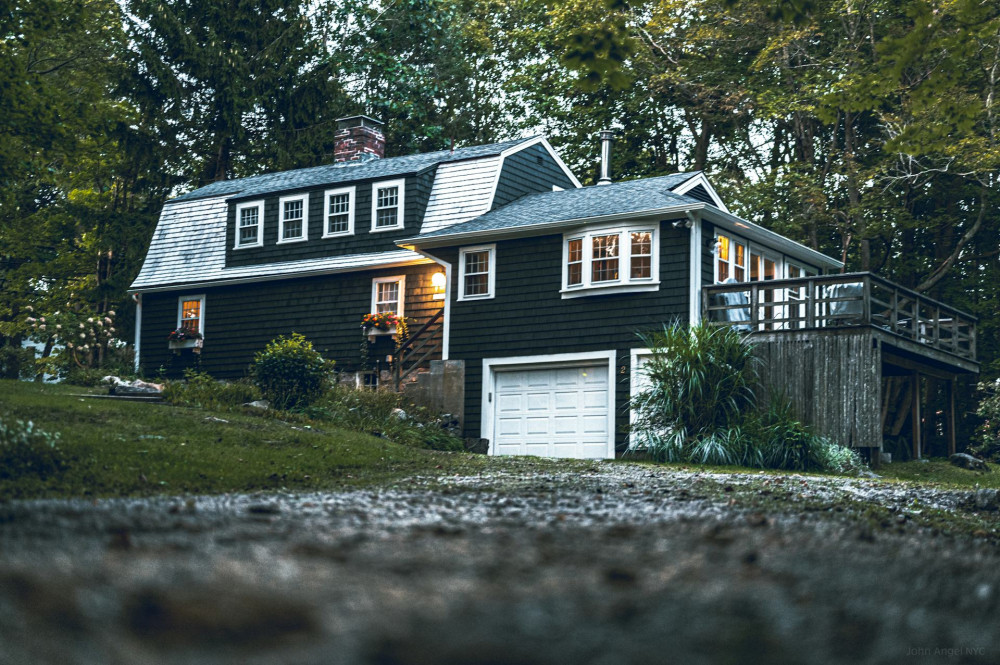
- Outdoor jobs on siding or tall facades might require a rolling scaffold or a lift, depending on the height and surface conditions.
Always make sure the ground is level and firm. Clear away loose objects, cords, or debris that could cause tripping. If you’re working indoors, ensure the area is well lit.
Choose the Right Equipment
The right tools not only make painting easier—they also make it much safer.
- Ladders: Select a ladder that’s tall enough so you don’t have to stand on the top rungs. Look for non-slip feet and wide steps for better stability. Follow OSHA guidelines for ladder setup and use.
- Scaffolds: For extended projects, a properly assembled scaffold is ideal. Lock the wheels before climbing, and use guardrails if you’re working more than 10 feet off the ground.
- Extension poles: A telescoping roller handle lets you paint ceilings and high walls from the floor, reducing the need to climb.
- Safety gear: Wear slip-resistant shoes, and use a safety harness if you’re working at significant heights. Gloves, goggles, and a dust mask can also protect you from paint splatter and fumes.
Læs også:
Techniques That Make the Work Easier
When painting at heights, slow and steady movements are key. Avoid leaning too far to the side—move your ladder or scaffold instead to maintain balance.
- Work in sections: Divide the surface into smaller areas so you can paint methodically without overreaching.
- Maintain three points of contact: When on a ladder, always keep two feet and one hand in contact. Use an extension roller if you need both hands for painting.
- Paint from top to bottom: This helps prevent drips from landing on freshly painted areas.
- Take breaks: Working overhead or at heights can be tiring. Step down regularly to stretch and check your progress from a distance.
Safety First—Every Time
Even small mistakes can have serious consequences when you’re off the ground. Make safety your top priority.
- Inspect your equipment before each use. Look for cracks, loose bolts, or worn parts.
- Don’t work alone if you’re using scaffolding or lifts. A partner can steady the ladder, hand you tools, or call for help if needed.
- Watch the weather when painting outdoors. Wind, rain, or extreme heat can make surfaces slippery or unstable.
- Keep your workspace organized. Secure paint cans and tools so they don’t become tripping hazards. Use a tool belt or hook to keep items within reach.
After the Job: Clean and Store Safely
When the painting is done, take a few minutes to clean and inspect your equipment. Wipe down ladders and scaffolds to remove paint drips that could make them slippery. Check that extension poles and rollers still work smoothly, and store everything in a dry, safe place.
Well-maintained tools last longer—and they’ll be safer to use the next time you tackle a project at height.
A Great Finish Without the Risk
Painting at heights doesn’t have to be dangerous. With thoughtful planning, the right gear, and careful technique, you can achieve professional results while staying safe. Remember: working smart is always better than working fast, and a secure setup is the foundation of every successful paint job.
Læs også: