Energy Renovation as Flexibility: Making the Home More Functional and Adaptable

Energy Renovation as Flexibility: Making the Home More Functional and Adaptable
Energy renovation isn’t just about cutting utility bills or lowering carbon emissions. It’s also about creating a home that’s more functional, comfortable, and adaptable to future needs. When you think of energy renovation as an investment in flexibility, you’re building a home that can evolve with new technologies, changing lifestyles, and shifting energy systems.
From Energy Savings to Holistic Thinking
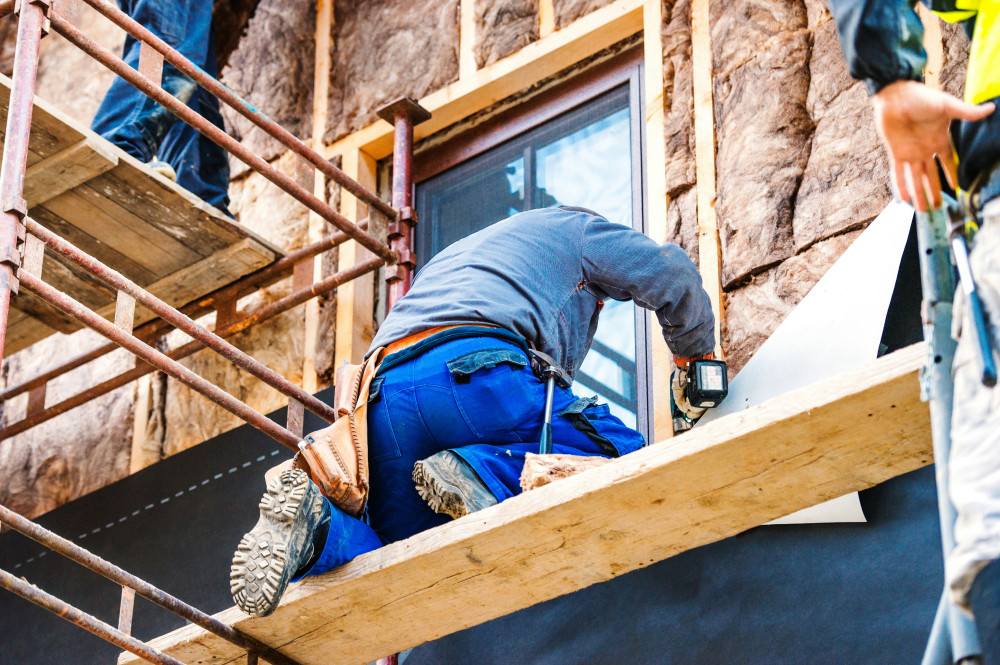
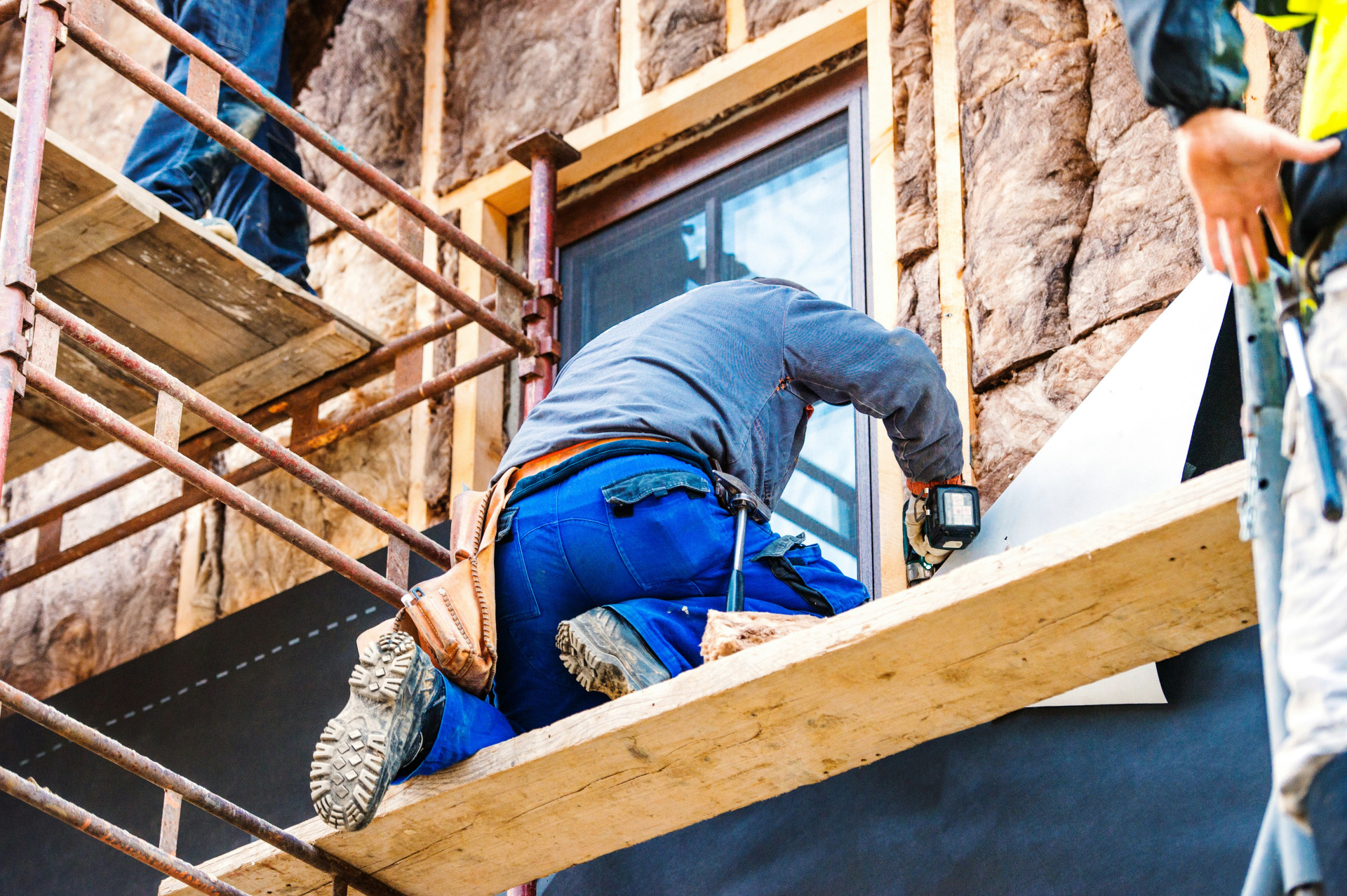
Traditionally, energy renovation in the U.S. has focused on sealing air leaks, adding insulation, and replacing windows. But more homeowners and professionals are now taking a broader view. Energy renovation can be part of a larger strategy to make a home not only more efficient but also easier to adapt to new circumstances—whether that means accommodating remote work, multigenerational living, or aging in place.
By planning for flexibility from the start, you can avoid costly remodels later. That might mean choosing modular layouts that allow for easy reconfiguration, or pre-wiring for future technologies like solar panels, heat pumps, or electric vehicle chargers. Thinking ahead makes your home ready for whatever comes next.
Læs også:

Comfort and Indoor Climate at the Center
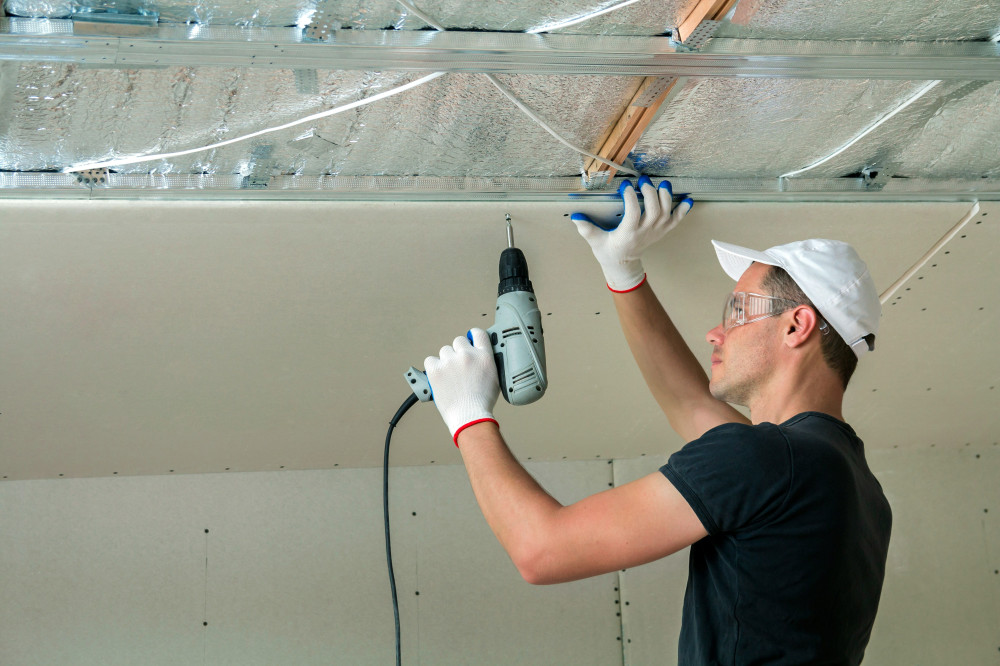
Energy renovation is also an opportunity to improve indoor comfort and air quality. When you insulate and tighten your home’s envelope, you can pair it with a ventilation system that recovers heat while bringing in fresh air. This helps maintain a healthy, comfortable environment and reduces the risk of moisture and mold.
Temperature control is another key factor. With smart thermostats and zoned heating or cooling, you can adjust comfort levels room by room and avoid wasting energy. This flexibility is especially valuable as more people work from home or have varying daily schedules. A well-managed indoor climate means a more livable and responsive home.
Technology as a Driver of Flexibility
Smart home technology is becoming a cornerstone of modern energy renovation. Sensors, automated controls, and energy management systems allow homeowners to monitor and optimize energy use in real time. These tools can respond to changes in weather, occupancy, or even electricity prices.
A flexible energy system means your home can adapt to both your habits and the energy grid. For example, a heat pump can run when electricity rates are lowest, or rooftop solar panels can power your EV during the day. This kind of adaptability not only saves money but also makes your home more resilient in a changing energy landscape.
Materials and Design with the Future in Mind
When selecting materials for an energy renovation, durability and sustainability go hand in hand. High-performance insulation, recycled materials, and low-VOC finishes contribute to both energy efficiency and a healthier indoor environment. Choosing materials that can be reused or recycled later also supports long-term sustainability.
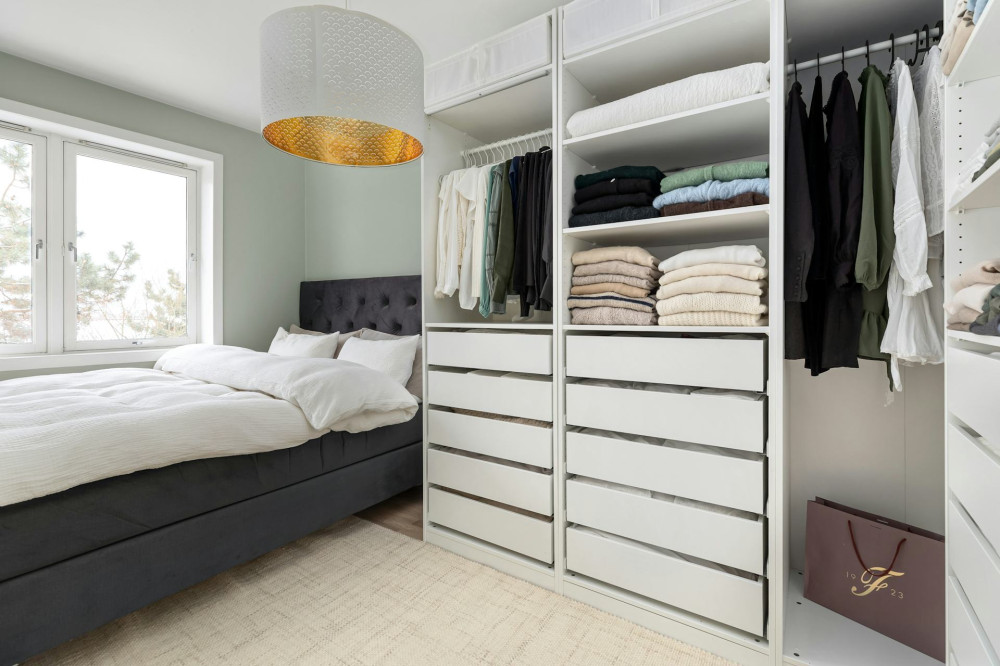
Design flexibility is equally important. Movable walls, multipurpose rooms, and easy access to plumbing and wiring make it simpler to adjust your home as your needs evolve. This approach turns sustainability into a practical, everyday reality—benefiting both the environment and your lifestyle.
Long-Term Value and Financial Benefits
While energy renovation requires an upfront investment, thinking in terms of flexibility can make it more financially rewarding. A home that’s energy-efficient, technologically prepared, and easy to adapt tends to hold higher market value. Lower operating costs and improved comfort provide immediate benefits, while future-proofing adds long-term security.
In the U.S., homeowners can also take advantage of federal tax credits, state incentives, and utility rebates for energy-efficient upgrades. Programs under the Inflation Reduction Act, for example, can help offset the cost of heat pumps, insulation, and solar installations. Exploring these options before starting your project can make a big difference in both cost and scope.
A Home That Grows with You
Ultimately, energy renovation as flexibility is about creating a home that grows with you—a home that’s comfortable, affordable to operate, and ready to adapt as life changes. It’s an investment not only in energy efficiency but also in freedom and resilience.
When you see energy renovation as more than insulation and technology—as a way to make your home more functional and adaptable—you gain a living space that doesn’t just save energy, but supports the way you want to live, now and in the future.
Læs også: