Small Changes, Big Impact: Interior Design That Enhances Comfort and Energy Efficiency


Small Changes, Big Impact: Interior Design That Enhances Comfort and Energy Efficiency
A home should be more than just beautiful—it should feel comfortable and function efficiently every day. Many people assume that saving energy requires major upgrades like new windows or solar panels, but even small design choices can make a noticeable difference. With thoughtful attention to light, layout, and materials, you can boost comfort and reduce energy use—without sacrificing style.
Make the Most of Natural Light
Daylight is free energy. By placing desks, dining tables, and seating areas near windows, you can take advantage of natural light and reduce the need for artificial lighting. Light-colored walls and ceilings reflect sunlight, making rooms feel larger and brighter.
Window treatments also play a key role. Sheer curtains let in light while maintaining privacy, and thermal or blackout curtains help retain warmth at night. In warmer climates or during summer months, exterior shades or blinds can block excess heat, reducing the need for air conditioning and keeping your home more comfortable.
Thoughtful Furniture Placement
Furniture arrangement affects both comfort and energy efficiency. If a sofa sits against an exterior wall or in front of a vent, it can block airflow and make the space feel drafty or unevenly heated. Move furniture slightly away from walls and heating or cooling sources to allow air to circulate freely.
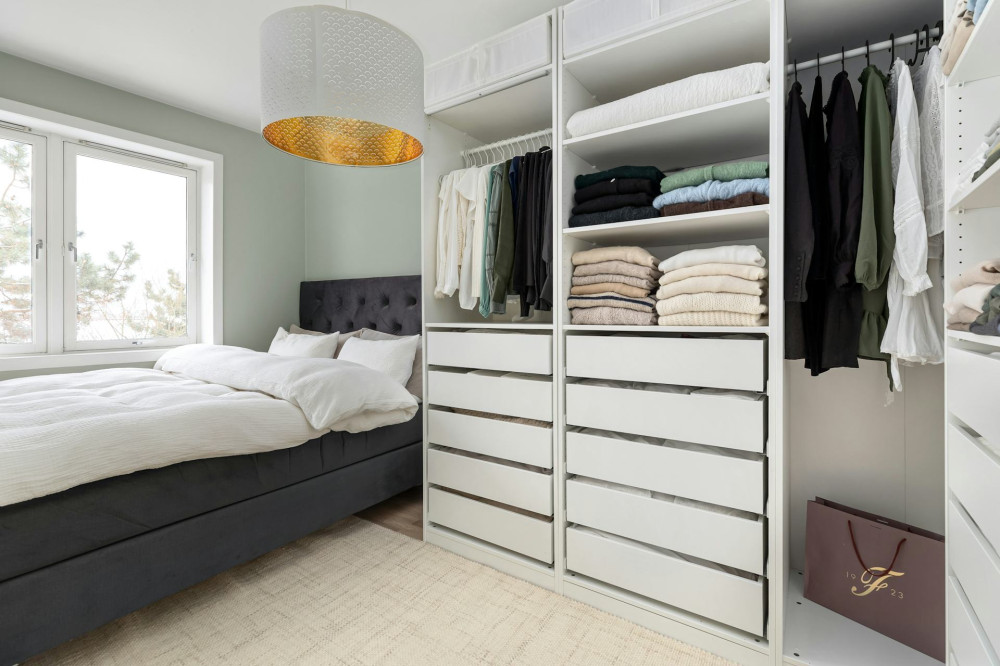
Area rugs can also make a big difference. They add warmth underfoot and help insulate against cold floors, allowing you to lower the thermostat a few degrees without losing comfort. Soft furnishings like curtains, throws, and cushions not only create a cozy atmosphere but also help retain heat during cooler months.
Choose Materials That Work With the Climate
The materials you choose influence both indoor comfort and energy use. Natural materials such as wood, wool, and cotton regulate temperature and humidity better than many synthetic alternatives. They also feel warmer to the touch, which enhances comfort in colder seasons.
If you’re repainting or remodeling, consider finishes that reflect light well—especially in rooms with limited daylight. This can make spaces feel brighter and reduce the need for additional lighting.
Smart Lighting Solutions
Lighting accounts for a significant portion of household electricity use. Switching to LED bulbs can cut energy consumption by up to 80% compared to traditional incandescent bulbs, and they last much longer. Combine LEDs with motion sensors or timers in areas like hallways, laundry rooms, or bathrooms where lights are often left on unnecessarily.
Pay attention to color temperature as well: warm light (around 2700K) creates a relaxing atmosphere in living rooms and bedrooms, while cooler light (around 4000K) is ideal for kitchens and home offices where focus and clarity are important.
Bring Nature Indoors
Plants do more than decorate—they improve air quality, increase humidity, and can even have a cooling effect in summer. Large leafy plants like peace lilies, rubber plants, or ferns are great choices for creating a healthier indoor environment.
Place plants near windows where they can get indirect sunlight, and in rooms that tend to feel dry. They’ll make your home feel fresher and more vibrant while contributing to a sense of well-being.
Small Habits, Big Results
Even the best design choices only work if they’re supported by good habits. Turn off lights when leaving a room, open windows briefly for fresh air instead of leaving them cracked all day, and maintain a consistent indoor temperature. These small actions can add up to significant energy savings.
Many utility companies now offer apps that let you track your energy use in real time. Monitoring your consumption helps you see where your efforts are paying off—and where you can improve further.
Læs også:




A Home That Feels Better and Uses Less
Creating an energy-efficient home isn’t just about technology—it’s about mindful everyday choices. When you design with light, warmth, and materials in mind, you create a space that feels more comfortable and costs less to maintain. Small changes truly can make a big impact—for your comfort, your wallet, and the planet.
Læs også: